
What Is Artisan Tile and How Is It Different From Standard Tile?
Artisan tile is designed to bring more character, texture, color variation, and a handcrafted look into a space. Unlike highly uniform standard tile, artisan tile often celebrates subtle differences between pieces rather than trying to make every tile look exactly the same.
Some artisan tiles are handmade, while others are created to achieve a handcrafted or hand-finished appearance. The defining idea is usually visual character, including irregular edges, tonal variation, surface texture, or distinctive glazing.
When shopping online, samples are especially helpful because the natural variation that makes artisan tile interesting can be difficult to understand from a single product image.
Quick Answer: What Is Artisan Tile?
Artisan tile is tile designed with a more handcrafted, character-rich appearance, often featuring variation in color, texture, glaze, shape, or surface finish. Standard tile is generally produced to look more consistent from piece to piece.
When comparing artisan and standard tile, consider:
- Artisan tile often shows more visible variation
- Standard tile usually creates a more uniform finished surface
- Handmade or handcrafted tile may have subtle differences between pieces
- Artisan styles can bring more texture and personality into a room
- Maintenance depends on the material and finish, not just the artisan label
- Samples help you understand the true color and variation
- Layout and grout can strongly affect the finished look
- Always check recommended applications before ordering
Neither option is automatically better. The right choice depends on whether you prefer consistency or a surface with more visible character.
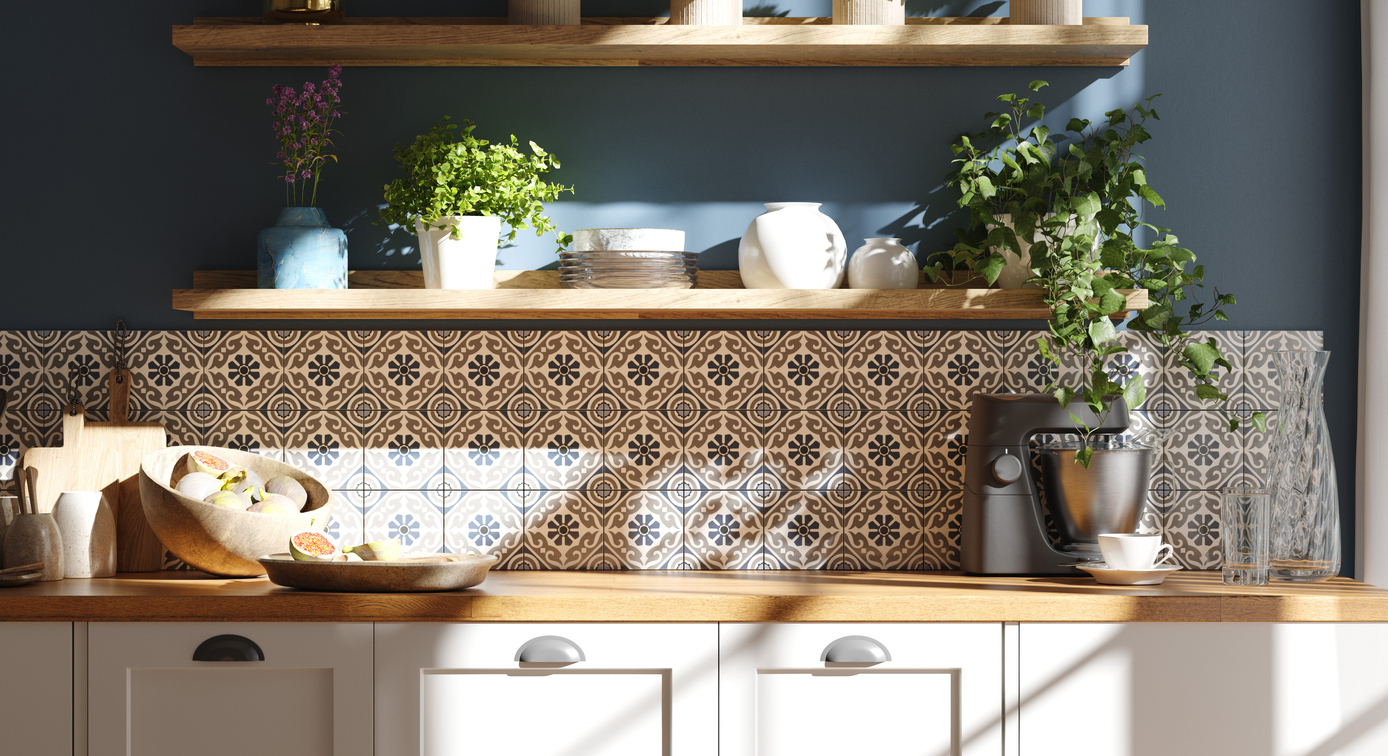
Artisan Tile vs Standard Tile
The biggest difference is usually how much variation and individuality you want the finished installation to have.
Artisan Tile
Artisan tile is often chosen because the surface does not look perfectly uniform.
Best for:
- Statement backsplashes
- Feature walls
- Character-rich bathrooms
- Design-forward interiors
What to know:
- Color and glaze may vary from piece to piece
- Edges and surfaces can have a less uniform appearance
- Texture may become more noticeable under different lighting
- The finished installation often feels more layered and individual
Standard Tile
Standard tile generally offers more consistency in color, shape, and surface.
Best for:
- Clean, uniform designs
- Larger installations
- Minimal interiors
- Spaces where consistency is the priority
What to know:
- Pieces tend to look more similar to one another
- Easier to create a highly consistent finished surface
- Available in many materials, colors, and formats
- Can still be decorative without having a handcrafted appearance
Handmade & Handcrafted Tile
Handmade tile is one type of artisan tile and may show even more variation depending on how it is produced.
Best for:
- Backsplashes
- Decorative walls
- Accent areas
- Spaces where craftsmanship is part of the design
What to know:
- Small differences between pieces may be expected
- Shape, glaze, and color can vary
- The installation may look less mechanically perfect
- Samples can help you decide how much variation you prefer
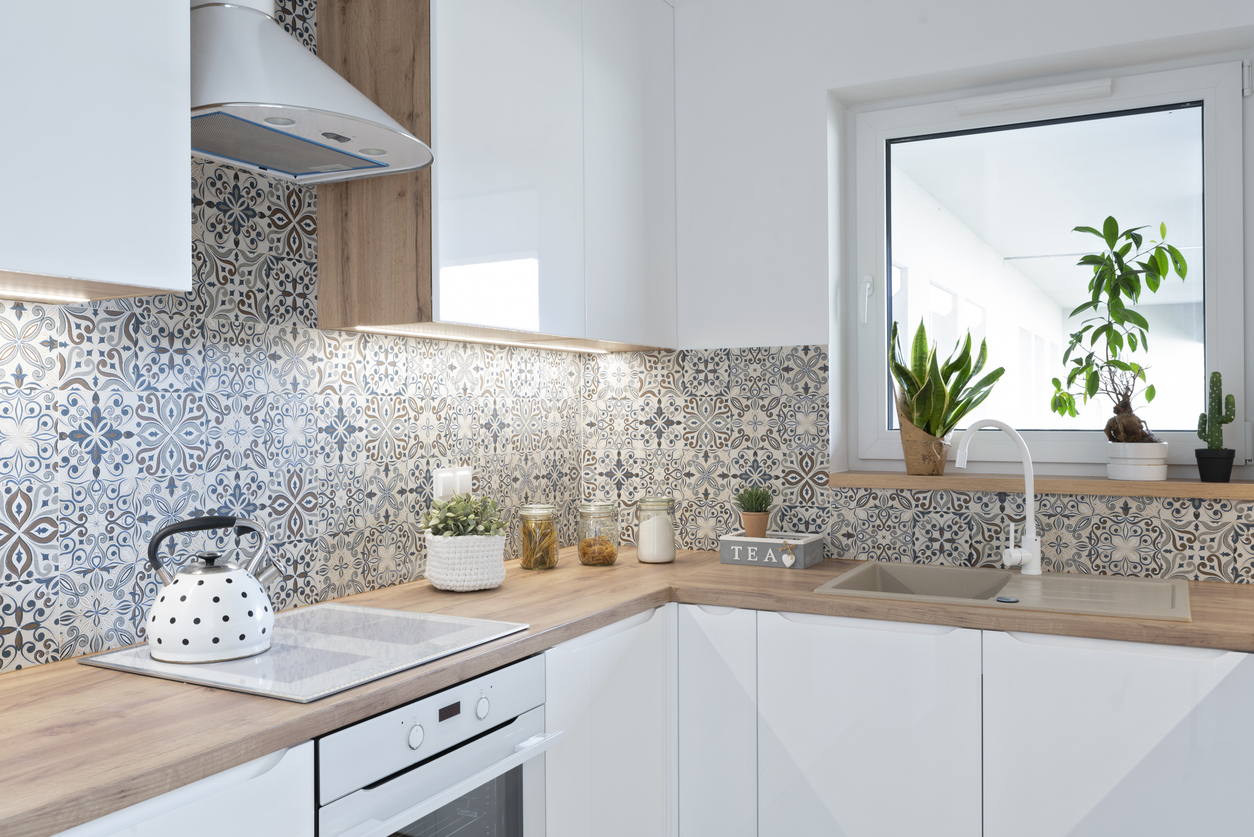
Where Artisan Tile Works Best
Artisan tile is often most effective when you want the tile itself to contribute something distinctive to the room.
Best for:
- Kitchen backsplashes
- Bathroom feature walls
- Fireplace surrounds
- Decorative niches
- Accent areas
What to know:
A smaller installation can be a good place to use a stronger color, texture, or handmade look without overwhelming the room. Artisan tile can also work across larger surfaces when the surrounding finishes are kept more restrained.
Before choosing a product, check whether the tile is recommended for floors, walls, showers, or other specific applications. The artisan look does not determine where the tile can safely be installed.
How to Choose Artisan Tile Online
A few extra steps can help you understand how an artisan tile will actually look once multiple pieces are installed together.
Decide How Much Variation You Want
Some artisan tile has subtle variation, while other designs are intentionally much more expressive.
Think about whether you prefer:
- Slight tonal differences
- Strong color variation
- Textured surfaces
- Irregular edges
- Distinctive glazing
This can help narrow down the look before you start comparing individual products.
Consider the Installation Area
Think about where the tile will be used.
Common applications include:
- Kitchen backsplashes
- Bathroom walls
- Accent walls
- Floors when approved
- Shower walls when approved
The installation area should guide your material and finish choices.
Order Samples Before Choosing
Samples are especially useful with artisan tile because a product image may not show all of the variation.
Look at samples:
- In natural daylight
- Under room lighting
- Beside cabinets or countertops
- Next to surrounding finishes
If possible, compare more than one piece so you can see how the tiles relate to each other.
Think About Grout and Layout
Grout can either emphasize or soften the differences between individual tiles.
Consider:
- Matching or contrasting grout
- Tile spacing
- Pattern direction
- Stacked or offset layouts
- How irregular edges will meet
These decisions can make the finished installation feel either more structured or more organic.
Review Care and Product Specifications
Artisan tile can be made from different materials, so care requirements vary.
Check:
- Recommended applications
- Sealing requirements
- Cleaning instructions
- Wet-area suitability
- Floor suitability
- Installation recommendations
The material and finish should always guide practical decisions.
Common Mistakes to Avoid
Artisan tile is meant to have character, but it still requires careful planning.
- Expecting every tile to look exactly the same
- Choosing from a single product image without ordering samples
- Ignoring natural color or glaze variation
- Assuming every artisan tile is handmade
- Forgetting to check floor or wet-area suitability
- Choosing grout without considering the tile edges
- Using too many competing decorative surfaces
- Treating variation as a defect when it is part of the design
Tips to Get the Best Results
- Order samples before making a larger purchase
- Look at several tiles together when possible
- Compare the tile under different lighting
- Let variation become part of the overall design
- Keep nearby surfaces simpler when the tile is highly decorative
- Plan grout and layout before installation
- Review maintenance requirements carefully
- Check the recommended application for the specific tile
Taking time to understand variation, texture, and finish can make choosing artisan tile online much easier.
Frequently Asked Questions
Is artisan tile the same as handmade tile?
Not always. Handmade tile can be considered artisan tile, but some artisan-style products are made using other methods that still create a handcrafted or character-rich appearance.
Why does artisan tile have color variation?
Variation may come from glazing, finishing, materials, or the production process. These differences are often intentional and contribute to the character of the finished installation.
Is artisan tile more difficult to install?
It can require additional planning when pieces vary in shape, thickness, or edge detail. Installation requirements depend on the individual product, so specifications should be reviewed before installation.
Can artisan tile be used in showers or on floors?
Some artisan tiles can, but not all. Check the specific product's recommended applications, wet-area suitability, and floor rating before choosing it for these spaces.
Should I order artisan tile samples first?
Yes. Samples are particularly helpful with artisan tile because they let you see the real color, texture, glaze, and variation before placing a larger order.