
What Makes Outdoor Tile Slip-Resistant and Weather-Resistant?
Outdoor tile needs to handle more than regular foot traffic. Rain, temperature changes, direct sunlight, dirt, and standing moisture can all affect how a surface performs over time.
Slip resistance comes mainly from the tile’s finish and texture, while weather resistance depends on factors such as water absorption, exterior suitability, durability, and how well the tile handles changing temperatures.
When shopping online, always check the individual product specifications. A tile may look textured or durable without actually being approved for outdoor use.
Quick Answer: What Makes Outdoor Tile Slip-Resistant and Weather-Resistant?
Outdoor tile performs best when it combines a textured or matte surface for traction with low water absorption and exterior-rated construction for weather exposure.
When comparing outdoor tile, look for:
- Textured or matte finishes for better traction
- Slip-resistance information from the manufacturer
- Low water absorption
- Exterior-rated porcelain or other approved materials
- Freeze-thaw suitability in cold climates
- Surfaces that can handle regular moisture
- Proper drainage and installation
- Samples to compare texture and finish before ordering
The right outdoor tile should provide practical traction while also being suited to the weather conditions where it will be installed.
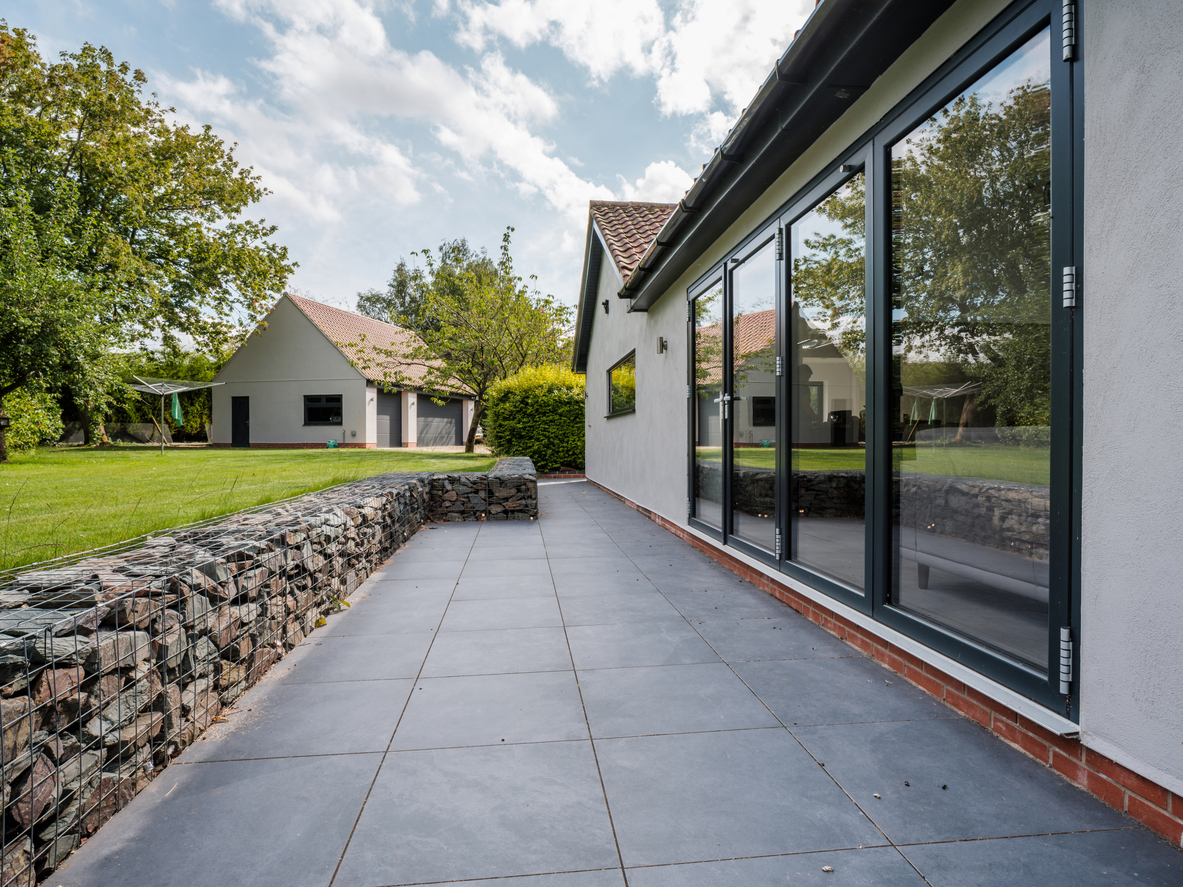
What Makes Outdoor Tile More Slip-Resistant?
Slip resistance depends heavily on surface texture and finish rather than material alone.
Textured Tile
A textured surface creates more contact and grip underfoot than a highly polished one.
Best for:
- Patios
- Walkways
- Pool-adjacent areas
- Frequently wet spaces
What to know:
- Texture can improve traction when the surface is wet
- Heavier texture may require more cleaning
- Surface feel varies by product
- Always check the tile’s slip-resistance information
Matte Tile
Matte finishes can offer a softer look while avoiding the slick feel associated with some polished surfaces.
Best for:
- Outdoor living spaces
- Covered patios
- Walkways
- Contemporary designs
What to know:
- Often provides more practical traction than polished finishes
- Available in many colors and materials
- Can hide dirt and water marks better than some glossy surfaces
- Individual product ratings still matter
Smaller-Format Tile
Smaller tiles create more grout joints across the finished surface.
Best for:
- Pool areas
- Smaller patios
- Decorative outdoor spaces
- Areas where additional surface breaks are helpful
What to know:
- More grout lines may add traction
- Grout requires regular maintenance
- Smaller formats can create more visual detail
- Confirm the tile itself is approved for exterior floors
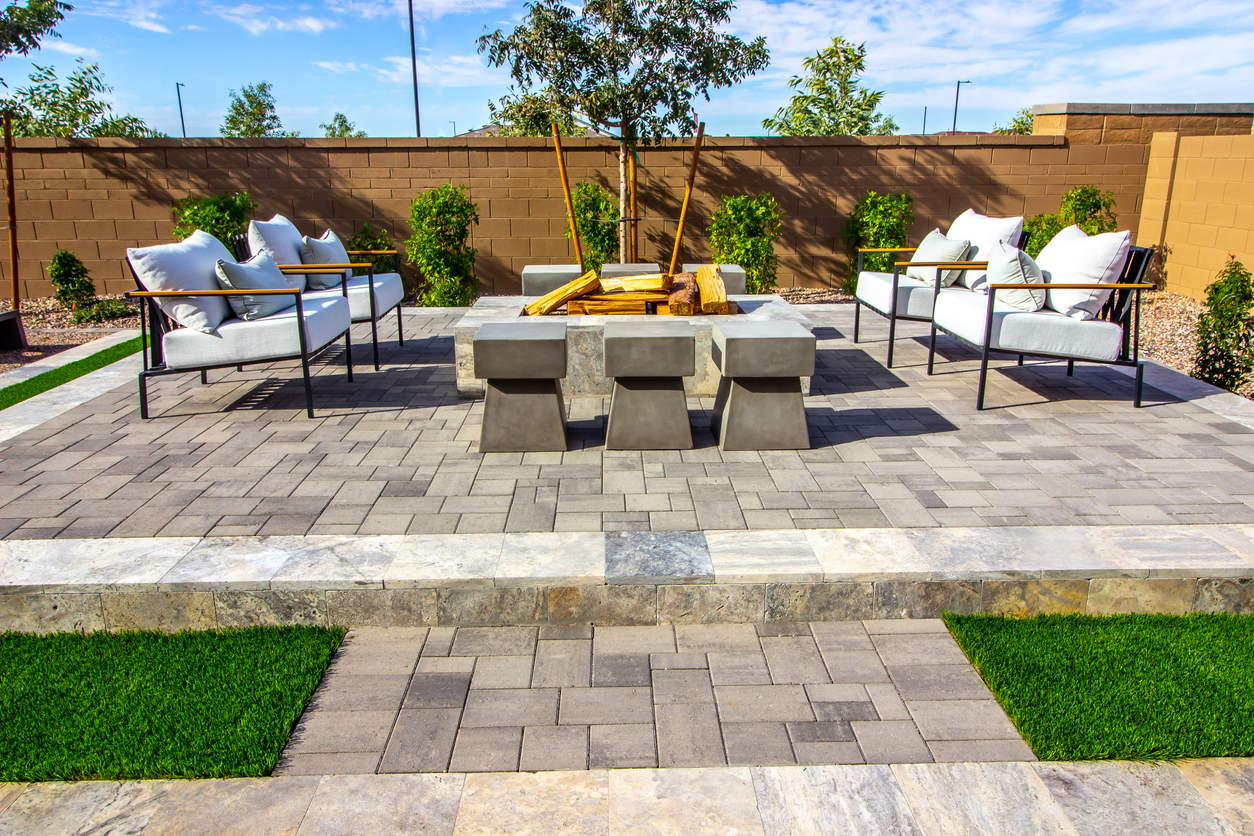
What Makes Outdoor Tile Weather-Resistant?
Weather resistance depends on how well the tile handles water, temperature changes, and continued exterior exposure.
Best for:
- Uncovered patios
- Walkways
- Outdoor kitchens
- Areas exposed to rain, snow, or changing temperatures
What to know:
Porcelain is often a strong outdoor choice because of its low water absorption and dense construction. In colder climates, low water absorption is especially important because moisture can freeze and expand inside more porous materials.
Outdoor suitability also depends on the individual product. Look for exterior use, freeze-thaw recommendations when needed, and any other climate-specific specifications before ordering.
How to Choose Slip-Resistant Outdoor Tile Online
A few practical checks can help you compare outdoor tile more confidently.
Check Exterior and Floor Suitability
Start with the product specifications.
Look for:
- Exterior use
- Floor suitability
- Wet-area recommendations
- Slip-resistance information
Do not assume a tile is outdoor-ready based on appearance alone.
Compare Surface Texture
Think about how the area will be used.
Consider:
- Matte finishes
- Textured surfaces
- Smooth surfaces
- How often the floor will get wet
The best texture should provide traction without becoming difficult to maintain.
Consider the Local Climate
Weather conditions should influence your choice.
Think about:
- Rain
- Snow
- Freezing temperatures
- Direct sun
- Frequent temperature changes
Cold climates may require tile specifically rated for freeze-thaw conditions.
Order Samples Before Choosing
Samples can help you judge outdoor tile much more accurately than product photos alone.
View them:
- In direct sunlight
- In shade
- Beside exterior finishes
- Against nearby landscaping or stone
Pay particular attention to surface texture and how the finish feels underfoot.
Plan Drainage and Installation
Even durable outdoor tile needs proper installation.
Consider:
- Drainage
- Surface slope
- Substrate preparation
- Expansion and movement
- Exterior installation materials
- Extra tile for cuts and future repairs
Keeping water from sitting on the surface can help both traction and long-term performance.
Common Mistakes to Avoid
Outdoor tile needs to work with both weather and everyday use.
- Choosing polished tile without considering wet conditions
- Assuming textured appearance automatically means slip-resistant
- Using indoor tile outside without checking specifications
- Ignoring water absorption
- Forgetting freeze-thaw requirements in cold climates
- Choosing heavy texture without considering cleaning
- Overlooking drainage and surface slope
- Skipping samples before placing a full order
Tips to Get the Best Results
- Start with tile approved for exterior floor use
- Compare matte and textured finishes
- Review available slip-resistance information
- Consider porcelain for lower water absorption
- Match the tile to your local climate
- Order samples and view them outdoors
- Plan drainage before installation
- Keep extra tile for future repairs
Taking time to compare texture, water absorption, exterior ratings, and samples can make choosing outdoor tile much easier.
Frequently Asked Questions
Is porcelain tile good for outdoor areas?
Yes. Exterior-rated porcelain is often a strong outdoor option because it has low water absorption, good durability, and is available in many textured finishes.
Is textured outdoor tile always slip-resistant?
Not necessarily. Texture can improve traction, but you should still review the specific product's slip-resistance information and recommended applications.
What tile finish is best for wet outdoor areas?
Matte and textured finishes are often more practical than highly polished surfaces in areas exposed to water. The individual tile's slip-resistance rating should still guide your decision.
Does outdoor tile need to be weather-resistant?
Yes. Tile used outside should be approved for exterior conditions and suitable for the moisture, temperature changes, and climate where it will be installed.
Should I order outdoor tile samples first?
Yes. Samples help you compare the actual texture, finish, color, and appearance in sunlight, shade, and the surrounding outdoor environment before placing a larger order.