
What Are the Best Uses for Patterned, Mosaic, and Handcrafted Tile?
Patterned, mosaic, and handcrafted tile can turn a functional surface into an important part of the room’s design. Each works a little differently, from bold patterned floors to detailed mosaics and handcrafted walls with natural variation.
These tiles are especially effective in areas where their color, shape, texture, or pattern can be appreciated without competing with too many other finishes.
The best use ultimately depends on the individual tile. Before choosing one for a floor, shower, or other demanding surface, always check its recommended applications and care requirements.
Quick Answer: Where Do Patterned, Mosaic, and Handcrafted Tiles Work Best?
These decorative tile styles work especially well in backsplashes, bathrooms, feature walls, floors, niches, and smaller accent areas where they can create a clear focal point.
Some of the strongest uses include:
- Patterned tile on statement floors
- Patterned kitchen and bathroom backsplashes
- Mosaic tile on shower floors and walls when approved
- Mosaic tile inside niches and accent areas
- Handcrafted tile on backsplashes and feature walls
- Decorative tile around fireplaces or architectural details
- Bold tile paired with simpler field tile
- Smaller applications where texture and variation can stand out
The key is giving the decorative tile a clear role rather than making every tiled surface compete for attention.
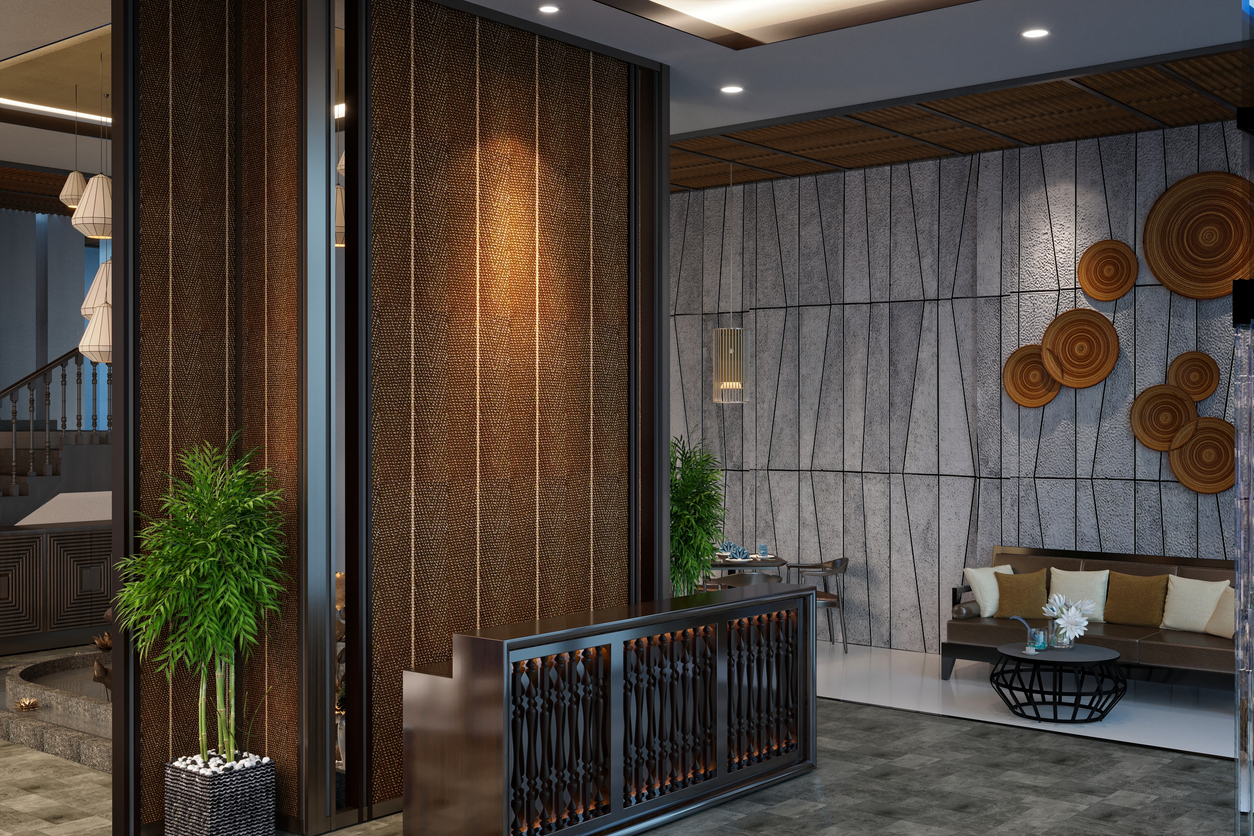
Comparing Patterned, Mosaic & Handcrafted Tile
Each style creates visual interest differently, which makes certain applications especially effective.
Patterned Tile
Patterned tile can define a room through color, repetition, and graphic detail.
Best for:
- Bathroom floors
- Entryways
- Kitchen backsplashes
- Feature walls
What to know:
- Patterns become more noticeable across larger surfaces
- Simple surrounding finishes can help the design stand out
- Pattern alignment and cuts should be planned carefully
- Confirm floor suitability before using patterned tile underfoot
Mosaic Tile
Mosaic tile uses smaller pieces to create detailed surfaces, patterns, or changes in texture.
Best for:
- Shower floors
- Bathroom walls
- Kitchen backsplashes
- Niches and borders
What to know:
- Small pieces can adapt well to detailed areas
- Additional grout lines become part of the design
- Mosaics can introduce color without covering a large surface
- Shower and floor use should always be confirmed for the specific product
Handcrafted Tile
Handcrafted tile works especially well when subtle variation and individual character are part of the desired look.
Best for:
- Kitchen backsplashes
- Bathroom walls
- Feature walls
- Decorative accents
What to know:
- Variation in color, glaze, shape, or edges may be intentional
- The finished surface may look less uniform than standard tile
- Simpler layouts can let the individual pieces become the focus
- Care and application requirements depend on the specific material
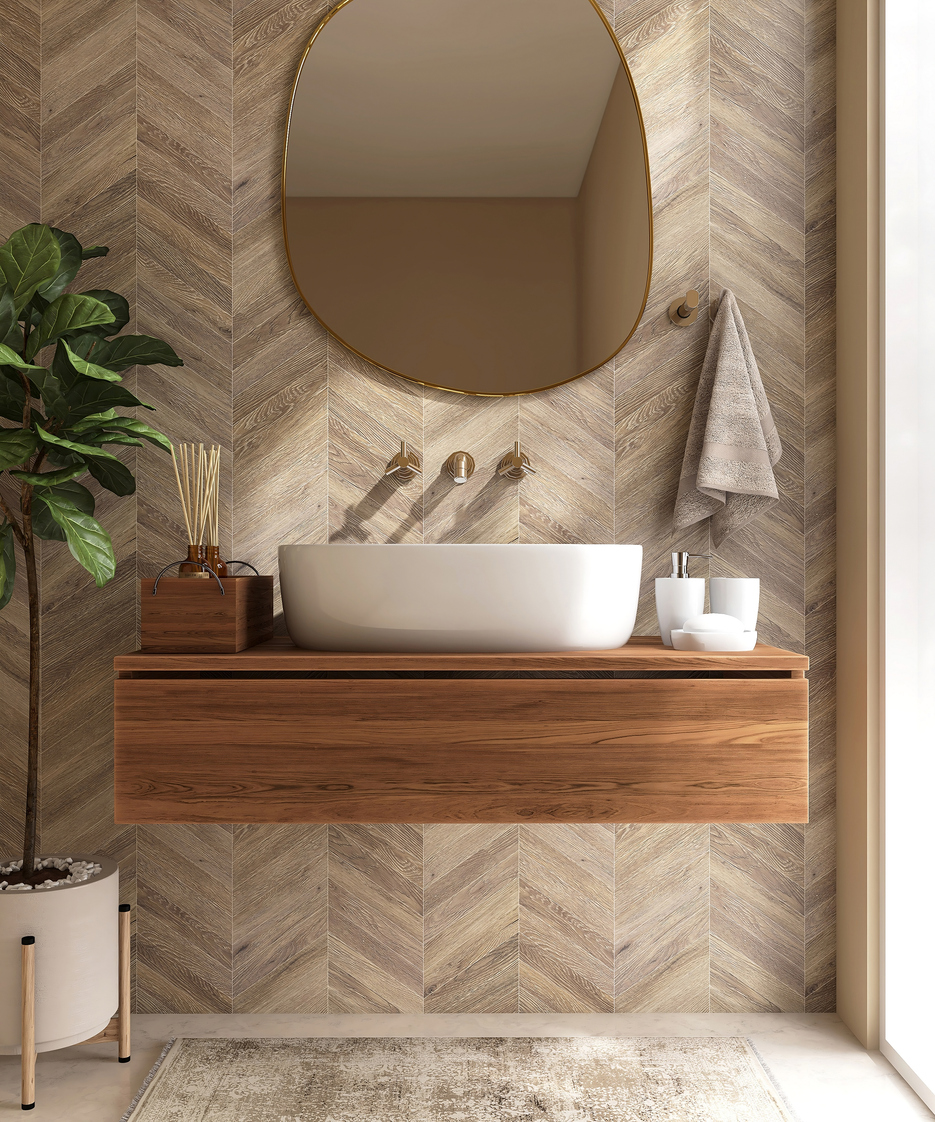
Choosing Where Statement Tile Has the Most Impact
Patterned, mosaic, and handcrafted tile do not need to cover an entire room to make a strong impression.
Best for:
- Backsplashes
- Vanity walls
- Shower niches
- Fireplace surrounds
- Entryways
- Smaller feature areas
What to know:
A focused installation can make decorative tile feel more intentional. For example, a patterned floor can pair with quieter walls, while a handcrafted backsplash can become the focal point in a kitchen with simple cabinets and countertops.
Using simpler field tile around a stronger design can also help highlight the pattern, texture, or variation you chose.
How to Choose the Right Decorative Tile for a Space
A few practical decisions can help you determine which style works best.
Decide Where You Want the Focal Point
Start by choosing the surface that should receive the most attention.
This might be:
- A backsplash
- A bathroom floor
- A shower wall
- An entryway
- A feature wall
Once the focal point is clear, surrounding finishes become easier to choose.
Consider Pattern Scale
Think about how much of the tile will actually be visible.
A pattern that looks subtle in a sample may feel much stronger across an entire floor or wall. Mosaic designs can also appear very different once repeated across a larger surface.
Compare Samples With Nearby Finishes
View tile samples beside:
- Cabinets
- Countertops
- Flooring
- Paint colors
- Fixtures
Look for colors or undertones that connect the decorative tile with the rest of the space.
Check the Recommended Applicatio
Decorative appearance does not determine performance.
Before ordering, confirm:
- Floor or wall suitability
- Wet area recommendations
- Slip resistance when relevant
- Exterior suitability if needed
- Cleaning and sealing requirements
Plan Layout, Grout, and Quantity
Decorative installations often need extra planning.
Consider:
- Pattern placement
- Centering
- Grout color
- Borders and transitions
- Cuts
- Extra material for pattern matching and breakage
Planning the full surface before installation helps the design look intentional.
Common Mistakes to Avoid
Decorative tile usually looks strongest when it has room to stand out.
- Using several competing patterns in the same room
- Choosing a bold tile without considering the full pattern repeat
- Assuming every mosaic is suitable for shower floors
- Expecting handcrafted tile to look perfectly uniform
- Using decorative floor tile without checking its rating
- Forgetting how grout affects the finished pattern
- Choosing from online photos without ordering samples
- Not allowing extra material for cuts and pattern alignment
Tips to Get the Best Results
- Give one decorative surface the main visual role
- Pair stronger designs with simpler surrounding tile
- Order samples before deciding on color or pattern
- View several pieces when variation is part of the design
- Consider pattern scale across the entire installation
- Choose grout while planning the tile layout
- Confirm suitability for floors, showers, and wet areas
- Order enough extra tile for cuts and future repairs
The most successful decorative tile installations balance visual impact with the practical needs of the surface.
Frequently Asked Question
Where does patterned tile work best?
Patterned tile works especially well on bathroom floors, entryways, kitchen backsplashes, and feature walls where the repeating design can become a focal point.
What are the best uses for mosaic tile?
Mosaic tile is commonly used for backsplashes, bathroom walls, shower areas, niches, decorative borders, and some floors when the specific product is approved for that application.
Where does handcrafted tile look best?
Handcrafted tile is particularly effective on backsplashes and feature walls where its variation in glaze, texture, color, or shape can be seen up close.
Can patterned or handcrafted tile be used on floors?
Some can, but not all decorative tile is floor rated. Always check the specific product's recommended applications before using it on a floor.
Should I order samples of decorative tile first?
Yes. Samples are especially useful for patterned, mosaic, and handcrafted tile because they help you evaluate actual color, texture, scale, finish, and variation before placing a larger order.