
Which Tile Material Is Most Durable for High-Traffic Areas?
High-traffic spaces need tile that can handle frequent foot traffic, regular cleaning, and everyday wear without requiring constant attention. Entryways, kitchens, hallways, and other busy areas can place very different demands on a floor than quieter rooms.
For most high-traffic areas, porcelain tile is one of the most durable choices because it is dense, moisture-resistant, and made to stand up well to regular use. Ceramic and natural stone can also be good options when the specific tile is appropriate for the space.
When shopping online, look beyond color and pattern. Floor ratings, finish, maintenance, and recommended applications can help you choose tile that works for both the design and the amount of traffic the room receives.
Quick Answer: Which Tile Is Most Durable for High-Traffic Areas?
For most homes, porcelain tile is one of the best all-around materials for high-traffic floors because it combines durability, low water absorption, and relatively easy maintenance.
When comparing tile for busy areas, consider:
- Porcelain for strong everyday durability
- Floor-rated ceramic for many residential spaces
- Natural stone when you want durability with natural character
- The tile’s recommended floor application
- Surface finish and resistance to visible wear
- Moisture exposure in kitchens and entryways
- Cleaning and maintenance requirements
- Samples to compare texture and finish before ordering
The most durable option is not simply the hardest material. It should also be appropriate for the room, easy enough to maintain, and suited to the amount of traffic it will receive.
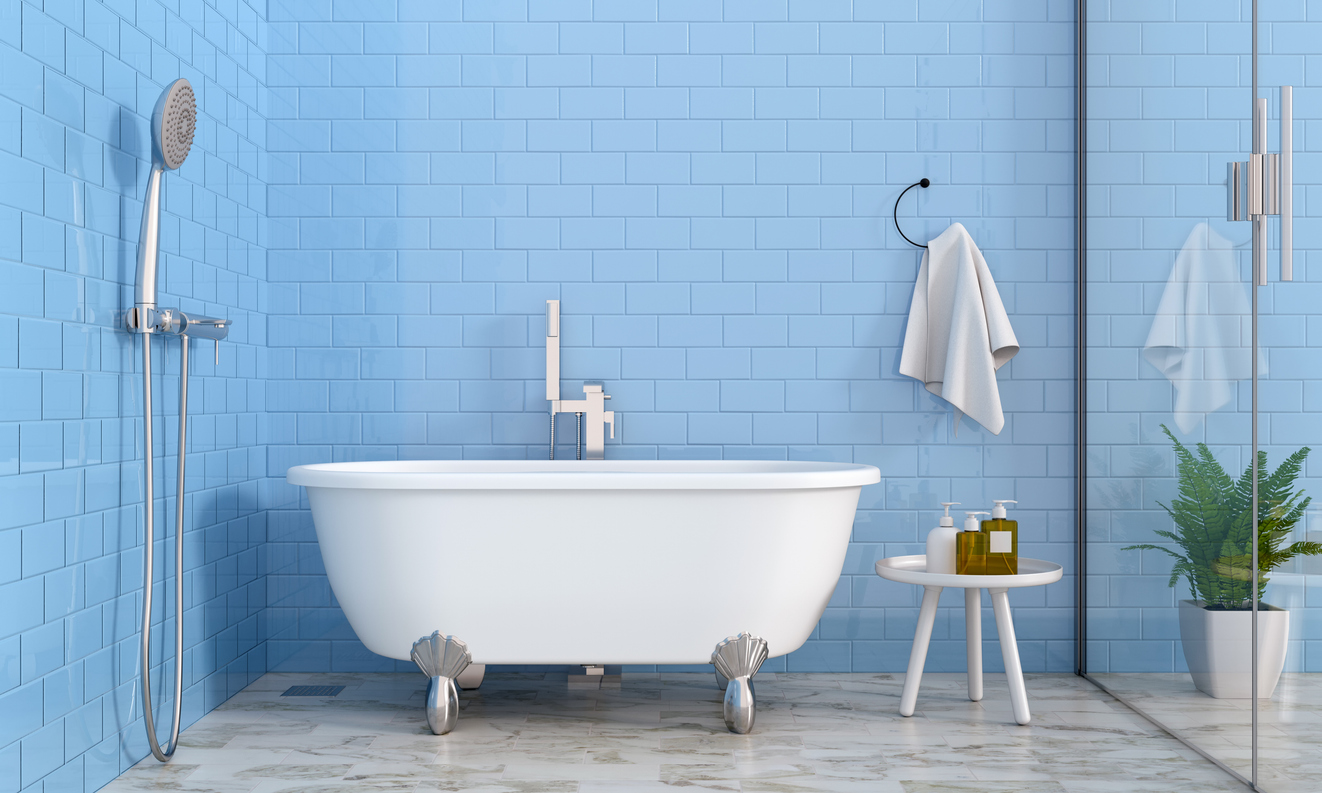
Durable Tile Materials to Compare
Several tile materials can perform well in high-traffic spaces. The biggest differences usually come down to density, maintenance, moisture resistance, and finish.
Porcelain Tile
Porcelain is a strong choice for busy floors because of its dense construction and versatility.
Best for:
- Kitchens
- Entryways
- Hallways
- Busy living spaces
What to know:
- Dense and resistant to moisture
- Handles regular foot traffic well
- Available in many sizes, colors, and finishes
- Can offer stone, concrete, and other design-inspired looks
Ceramic Tile
Floor-rated ceramic can work well in many residential high-traffic areas.
Best for:
- Kitchens
- Hallways
- Everyday living areas
- Spaces where design flexibility matters
What to know:
- Not every ceramic tile is intended for floors
- Durability varies by product
- Available in a wide range of colors and styles
- Check floor ratings before choosing
Natural Stone Tile
Natural stone can be extremely durable while bringing variation and texture into a space.
Best for:
- Entryways
- Larger living spaces
- Natural design palettes
- Character-rich interiors
What to know:
- Durability varies by stone type
- Some stone requires sealing
- Maintenance may be higher than porcelain
- Natural variation is part of the finished look
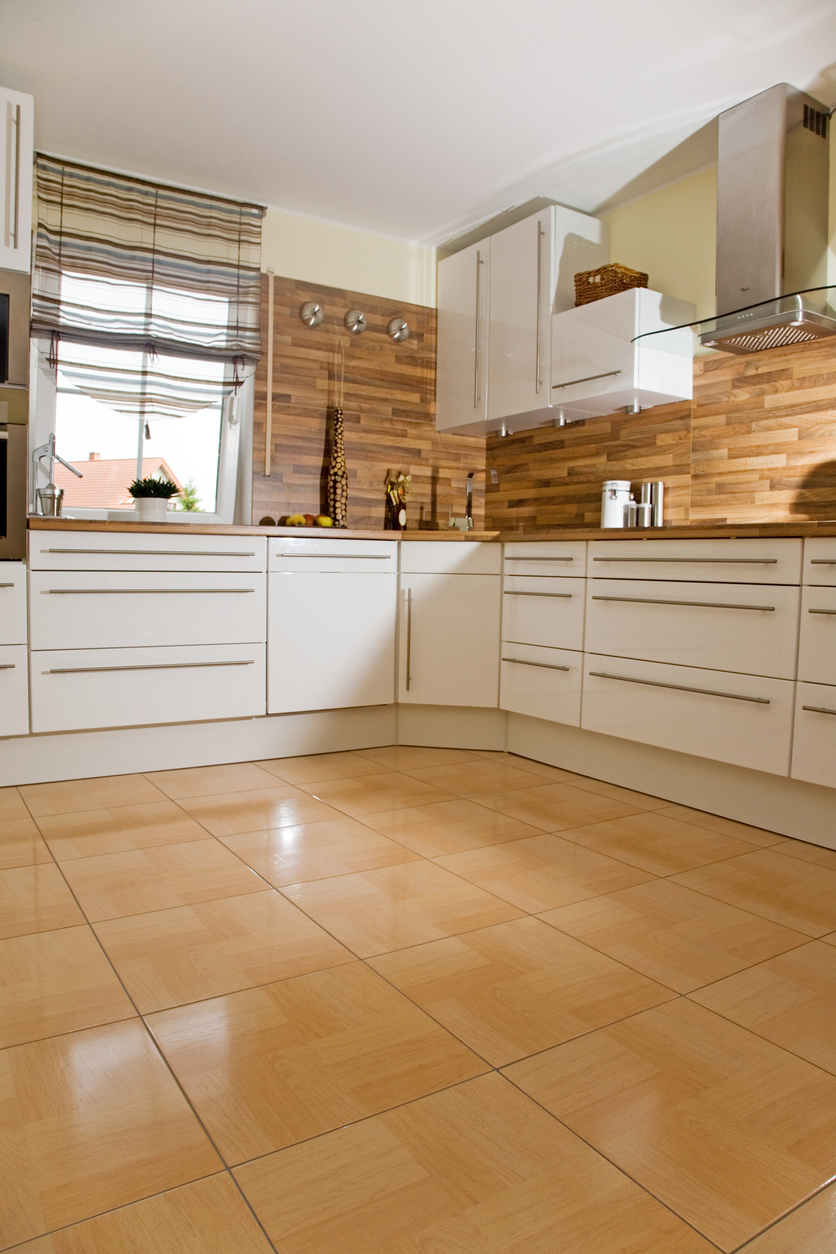
Finish & Surface Matter in Busy Spaces
Material is important, but the surface finish also affects how tile performs and looks over time.
Best for:
- Entryways exposed to dirt and moisture
- Kitchens with frequent foot traffic
- Hallways connecting multiple rooms
- Spaces where easy upkeep is important
What to know:
Highly polished surfaces may show scratches, dirt, or marks more readily than some matte or textured finishes. Texture can also affect traction, especially in areas where moisture may be present.
Think about how the room is actually used before choosing a finish based only on appearance. Samples can help you compare texture, shine, and how easily marks show.
How to Choose Tile for a High-Traffic Area
A few practical checks can make it easier to choose tile that will hold up well in a busy space.
Start With the Room
Think about where the tile will be installed.
Common high-traffic spaces include:
- Kitchens
- Entryways
- Hallways
- Mudrooms
- Main living areas
Moisture, dirt, and frequency of use can all affect what material makes the most sense.
Check That the Tile Is Floor-Rated
Not every tile is designed for regular foot traffic.
Review:
- Recommended applications
- Floor suitability
- Wear information
- Wet-area suitability when relevant
The individual product specifications matter more than material name alone.
Compare Maintenance Needs
A durable floor should also fit the amount of maintenance you want to manage.
Consider:
- Routine cleaning
- Sealing requirements
- Stain resistance
- Grout maintenance
- Moisture exposure
Porcelain often stands out when durability and lower maintenance are both priorities.
Order Samples Before Choosing
Samples let you compare the real surface before placing a larger order.
Look at them:
- Under your room lighting
- Next to cabinets or furniture
- Beside nearby flooring
- From different angles
Pay attention to color, texture, finish, and how visible dirt or marks may be.
Plan Quantity and Installation
Measure carefully and allow additional material for installation.
Remember to consider:
- Cuts
- Corners and transitions
- Pattern alignment
- Breakage
- Extra tile for future repairs
Keeping some matching tile after installation can be useful in a heavily used area.
Common Mistakes to Avoid
Durability depends on more than choosing a material with a strong reputation.
- Assuming every porcelain or ceramic tile performs the same
- Using wall-only tile on a high-traffic floor
- Choosing based only on appearance
- Ignoring moisture exposure
- Selecting a finish without considering everyday cleaning
- Overlooking maintenance requirements for natural stone
- Skipping samples before ordering
- Ordering without extra material for cuts and future repairs
Tips to Get the Best Results
- Start with tile approved for floor use
- Consider porcelain for busy, lower-maintenance spaces
- Compare finishes as well as materials
- Think about moisture, dirt, and everyday traffic
- Order samples and view them in the actual room
- Check maintenance requirements before making a final choice
- Coordinate grout with the amount of cleaning the space receives
- Keep extra tile after installation for future repairs
Taking time to compare product specifications, samples, and maintenance needs can make choosing durable tile online much easier.
Frequently Asked Questions
Is porcelain the most durable tile for floors?
Porcelain is one of the most durable and practical flooring options for many residential spaces. Its density, low water absorption, and relatively easy maintenance make it especially useful in high-traffic areas.
Is ceramic tile durable enough for high-traffic areas?
Yes, some floor-rated ceramic tiles can perform well in busy residential spaces. Always check the specific product's recommended applications before choosing it for a heavily used floor.
Is natural stone more durable than porcelain?
Some natural stones are extremely durable, but they may require more maintenance and sealing than porcelain. The better choice depends on the stone type, location, and amount of upkeep you prefer.
What tile finish is best for high-traffic areas?
Matte and lightly textured finishes can be practical because they may show dirt, marks, and everyday wear less readily than highly polished surfaces. The best finish still depends on the individual tile and room.
Should I order tile samples for a high-traffic space?
Yes. Samples help you compare the actual texture, finish, color, and surface appearance before committing to a larger order.