
How Do You Mix Decorative Tile With Simpler Field Tile?
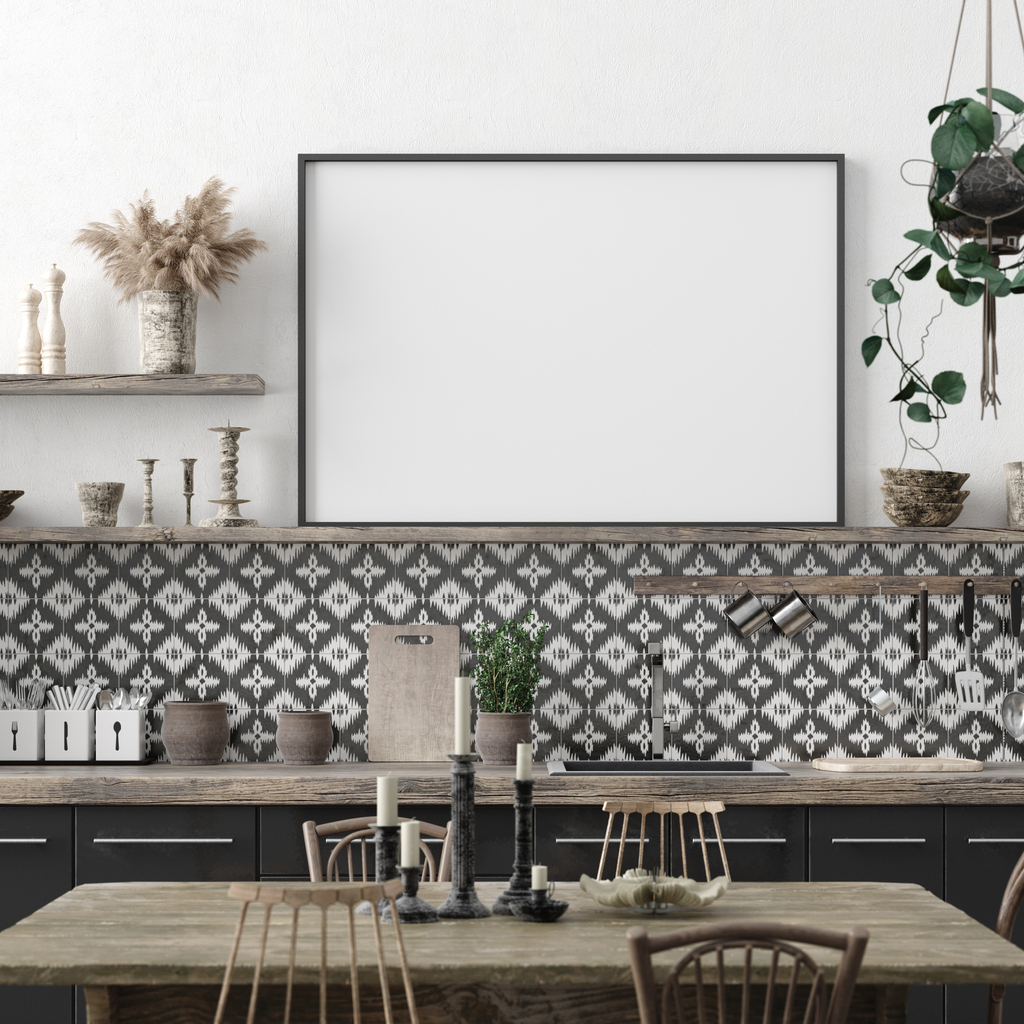
Mixing decorative tile with simpler field tile is a great way to add pattern, color, or texture without making an entire room feel busy. The decorative tile creates interest, while the field tile gives the design room to breathe.
The key is deciding which tile should take the lead. Decorative tile often works best as a focal point, border, feature area, or accent surrounded by a quieter tile that shares a color, finish, or overall design direction.
When shopping online, ordering samples of both tiles together can help you see whether the colors, textures, sizes, and finishes feel connected before you plan the full installation.
Quick Answer: How Do You Mix Decorative Tile With Field Tile?
The easiest approach is to choose one decorative tile as the focal point and pair it with a simpler field tile that supports its color, material, or overall style.
When combining the two:
- Let one tile be the visual focus
- Pull a color from the decorative tile into the field tile
- Avoid combining multiple competing patterns
- Consider tile size and scale together
- Use grout to either connect or separate the designs
- Decide exactly where the decorative tile will begin and end
- Order samples of both tiles and compare them side by side
- Check that both tiles are suitable for the installation area
A balanced combination should make the decorative tile feel intentional while allowing the simpler tile to keep the overall space cohesive.
Ways to Combine Decorative and Field Tile
There are several ways to use decorative tile without covering an entire surface. The right approach depends on how much attention you want the pattern to receive.
Create a Feature Area
Use decorative tile in one defined section and surround it with a simpler field tile.
Best for:
- Kitchen backsplashes
- Shower feature walls
- Fireplace surrounds
- Vanity walls
What to know:
- Gives the decorative tile a clear focal point
- Keeps stronger patterns from overwhelming the room
- Works especially well when both tiles share a color or finish
- Plan where the transition between tiles will happen
Add a Decorative Border or Band
A smaller strip of decorative tile can introduce pattern without becoming the main surface.
Best for:
- Shower walls
- Bathroom walls
- Backsplash accents
- Traditional or transitional designs
What to know:
- Adds detail while keeping most of the surface simple
- Tile dimensions should work together cleanly
- Border placement should be planned before installation
- Grout can help visually connect the two materials
Pair a Bold Floor With Simple Walls
Decorative tile does not always need to appear on the same surface as the field tile.
Best for:
- Bathrooms
- Entryways
- Powder rooms
- Smaller statement spaces
What to know:
- A patterned floor can become the focal point
- Simpler wall tile helps balance the design
- Repeating one color between the two surfaces creates connection
- Check that the decorative tile is approved for floor use
Choosing Colors, Shapes & Finishes That Work Together
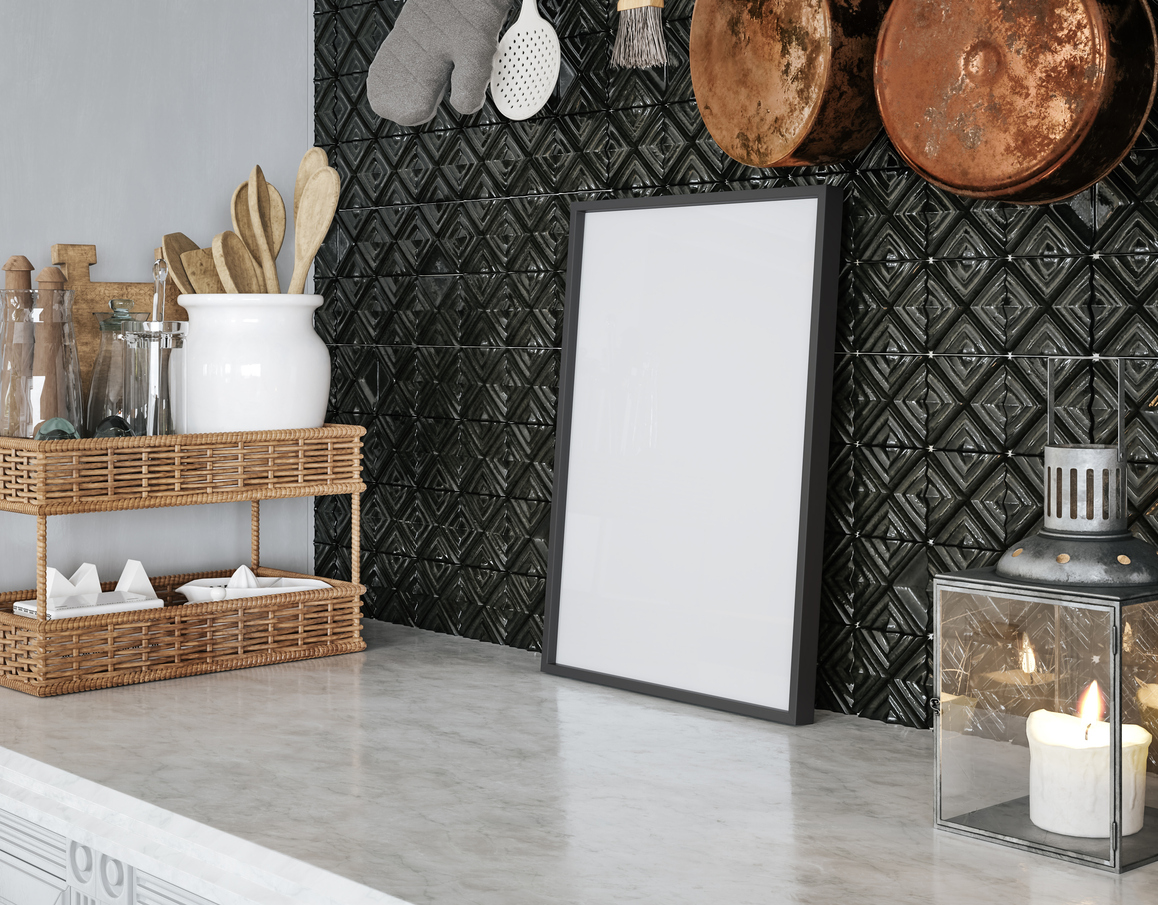
Decorative and field tile do not need to match exactly. They simply need enough visual connection to feel like they belong in the same space.
Best for:
- Creating a coordinated look
- Mixing pattern with solid color
- Combining different tile shapes
- Keeping bold designs balanced
What to know:
One easy approach is to choose a field tile that repeats a color already present in the decorative pattern. You can also connect the two through a similar finish, material, or undertone.
Avoid trying to match every detail. A quieter tile often works better when it supports the decorative design instead of competing with it.
How to Mix Decorative and Field Tile Online
A few comparisons can make it easier to build a combination that works before placing a full order.
Choose the Decorative Tile First
Start with the tile you want to become the focal point.
Think about whether you want:
- Bold pattern
- Color
- Texture
- Geometric shapes
- An artisan-inspired look
Once you establish the main design, choosing the supporting field tile becomes easier.
Find a Visual Connection
Look for something the two tiles share.
This might be:
- A similar color
- A common undertone
- The same material
- A related finish
- A complementary shape
The connection can be subtle as long as the two designs feel intentional together.
Order Samples Together
Do not evaluate each tile separately.
Place samples:
- Side by side
- Under the room’s lighting
- Beside cabinets or countertops
- Against nearby flooring or fixtures
Seeing both tiles together makes it easier to judge color, texture, and scale.
Plan the Transition
Decide exactly where one tile will stop and the other will begin.
Consider:
- Borders
- Corners
- Niches
- Countertop edges
- Tile dimensions
- Pattern alignment
A clean transition can make two different tiles feel like one coordinated design.
Choose Grout and Quantity
Grout can either blend the tiles together or emphasize their differences.
Before ordering, also account for:
- Cuts
- Pattern matching
- Borders and transitions
- Breakage
- Extra tile for future repairs
Planning these details early can help avoid awkward changes during installation.
Common Mistakes to Avoid
Mixing tile works best when each design has a clear role.
- Using two strong patterns that compete for attention
- Trying to match colors from online photos alone
- Ignoring differences in tile thickness or dimensions
- Choosing decorative tile without considering the full pattern repeat
- Forgetting to plan where the transition will occur
- Using grout that unintentionally emphasizes one tile
- Mixing tiles without checking their recommended applications
- Skipping samples before placing a full order
Tips to Get the Best Results
- Choose the decorative tile first and build around it
- Let the field tile stay visually quieter
- Repeat one color or undertone between the two
- Compare samples side by side in the actual room
- Think about scale as well as color
- Plan transitions and grout before installation
- Keep other surrounding finishes in mind
- Confirm both tiles are appropriate for the intended surface
Taking time to compare the two tiles together can make a mixed tile design feel much more intentional.
Frequently Asked Questions
What is field tile?
Field tile is the primary tile used across a larger surface. It is often simpler in color or pattern, which makes it useful for pairing with more decorative accent tile.
Should decorative tile and field tile be the same color?
Not necessarily. They can contrast, but repeating one color or undertone between them can help the overall design feel connected.
Can you use decorative tile as an accent in a shower?
Yes, when the specific decorative tile is approved for shower and wet-area use. It can work on a feature wall, niche, band, or other defined section.
Can decorative floor tile be paired with plain wall tile?
Yes. A decorative floor paired with simpler wall tile is a useful way to introduce pattern while keeping the room balanced.
Should I order both tile samples at the same time?
Yes. Comparing decorative and field tile samples side by side helps you judge color, texture, finish, and scale much more accurately than viewing each tile separately.