
How Do You Select Stone Tile for Outdoor Walkways?
Natural stone can create an outdoor walkway that feels connected to the surrounding landscape, but not every stone tile is suited to exterior foot traffic and changing weather.
When choosing outdoor stone tile, look beyond color and pattern. Durability, water absorption, surface texture, climate, maintenance, and the manufacturer’s recommended applications all affect how well the material will perform.
Because natural stone varies from piece to piece, samples are especially useful for comparing actual color, texture, and surface variation before ordering.
Quick Answer: How Do You Choose Outdoor Stone Tile?
Choose stone that is approved for exterior floors and appropriate for your climate, traffic level, and exposure to water.
When comparing outdoor stone tile:
- Confirm exterior and floor suitability
- Look for a surface with appropriate wet-weather traction
- Consider the stone’s water absorption
- Check freeze-thaw suitability in colder climates
- Choose a finish that is practical for walking
- Review sealing and maintenance requirements
- Consider natural color and texture variation
- Order samples and view them outdoors
The best walkway stone balances appearance with weather resistance, traction, and long-term maintenance.
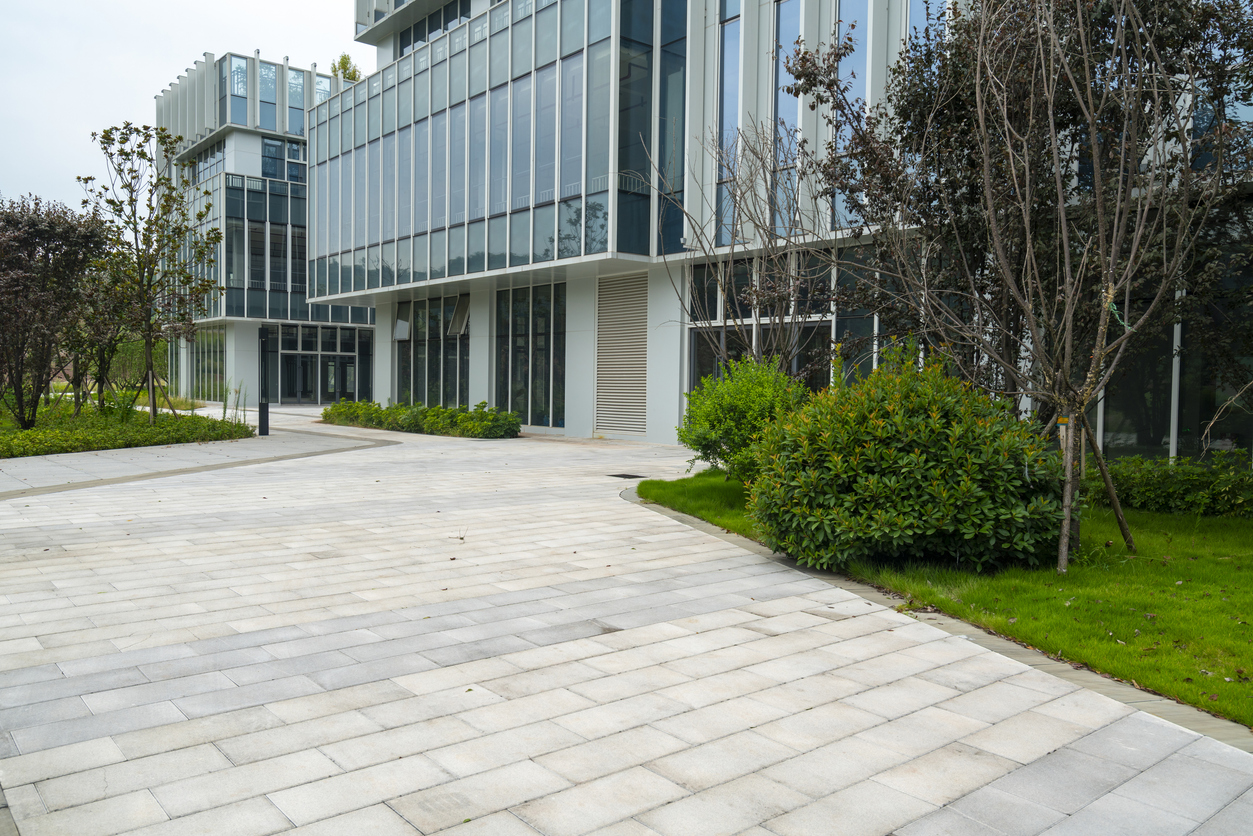
What to Look for in Outdoor Stone Tile
Natural stone varies significantly, so individual product characteristics matter more than choosing a material based on its name alone.
Dense, Durable Stone
A durable stone can better handle regular foot traffic and outdoor exposure.
Best for:
- Main walkways
- Entry paths
- High-traffic outdoor areas
- Connections between patios and gardens
What to know:
- Density and porosity vary between stone products
- Exterior approval should always be confirmed
- Water absorption becomes especially important in wet or freezing climates
- Durability should match the expected level of traffic
Textured Stone
Surface texture can improve traction and give an outdoor walkway a more natural appearance.
Best for:
- Frequently wet paths
- Garden walkways
- Pool-adjacent routes
- Sloped areas when appropriate
What to know:
- Texture can improve grip but does not make a surface completely slip-proof
- Deep texture may require more cleaning
- Consider comfort as well as traction
- Review available slip-resistance information when provided
Naturally Varied Stone
Variation in color, veining, and texture is one of the main reasons to choose natural stone.
Best for:
- Landscape-focused designs
- Rustic or organic spaces
- Garden paths
- Walkways where variation is part of the design
What to know:
- Individual pieces may differ significantly
- Viewing multiple samples can help set expectations
- Mixing pieces during installation can distribute variation
- Consider how the stone coordinates with nearby patios, walls, and landscaping

Finish & Texture Matter on Outdoor Walkways
The surface finish affects both the appearance and practicality of outdoor stone.
Best for:
- Improving wet-weather traction
- Creating a comfortable walking surface
- Matching the surrounding landscape
- Balancing maintenance and texture
What to know:
Highly polished stone is generally not the first choice for exposed walkways where surfaces may become wet. Matte, textured, natural, or other exterior-appropriate finishes can provide a more practical surface, depending on the specific stone.
Finish terminology and performance vary by product, so review the manufacturer’s exterior and slip-resistance information rather than relying on the finish name alone.
How to Choose Stone Tile for an Outdoor Walkway
A few checks can help narrow your options before ordering.
Confirm Exterior Floor Use
Start by verifying that the specific tile is recommended for:
- Exterior installations
- Foot traffic
- Outdoor floors
- Your expected weather conditions
Indoor stone tile should not automatically be assumed suitable outdoors.
Consider Your Climate
Think about what the walkway will experience throughout the year.
Consider:
- Rain
- Snow and ice
- Freeze-thaw cycles
- Direct sunlight
- Temperature changes
In freezing climates, confirm that the stone is appropriate for freeze-thaw exposure.
Evaluate Surface Texture
A walkway needs to remain practical when exposed to moisture.
Compare:
- Surface texture
- Wet traction
- Ease of cleaning
- Barefoot comfort when relevant
Avoid selecting a finish based only on appearance.
Order Multiple Samples
Natural stone can vary considerably.
View samples:
- In direct sunlight
- In shade
- Next to landscaping
- Beside nearby exterior materials
- When dry and, when practical, slightly damp
Multiple pieces give you a better sense of the overall range of the material.
Plan Installation and Quantity
Outdoor performance also depends on proper installation.
Consider:
- Drainage
- Slope
- Substrate preparation
- Joint spacing
- Cuts and transitions
- Extra material for variation, cuts, and future repairs
Use installation materials and methods appropriate for the stone and exterior conditions.
Common Mistakes to Avoid
Outdoor stone should be selected for performance as carefully as appearance.
- Choosing stone without confirming exterior approval
- Ignoring freeze-thaw conditions
- Selecting a smooth finish without considering wet traction
- Assuming every natural stone performs the same outdoors
- Forgetting about sealing or maintenance requirements
- Judging color from a single piece
- Ignoring drainage and walkway slope
- Ordering without extra material for cuts and variation
Tips to Get the Best Results
- Start with stone approved for exterior floors
- Match the stone to your local climate
- Choose practical texture for wet conditions
- Review water absorption and freeze-thaw information
- Understand sealing and cleaning requirements
- Order several samples to see natural variation
- View samples outdoors in sun and shade
- Keep extra stone for future repairs
The best outdoor stone tile combines natural character with the durability, traction, and weather performance your walkway requires.
Frequently Asked Questions
What stone tile is best for an outdoor walkway?
There is no single best stone for every walkway. The strongest option is a stone specifically approved for exterior floors and suited to your climate, foot traffic, moisture exposure, and maintenance preferences.
Is natural stone slippery outdoors?
Some finishes can become slippery when wet. Texture and product-specific slip performance matter, so choose an exterior-appropriate surface and review available traction information.
Does outdoor stone tile need to be sealed?
Many natural stones benefit from or require sealing, but requirements vary by stone and finish. Follow the recommendations for the specific product.
Can stone tile be used in freezing climates?
Certain stone products can, but the tile should be specifically suitable for freeze-thaw conditions. Porosity and water absorption are important considerations.
Should I order samples of outdoor stone tile?
Yes. Natural stone varies in color, texture, and pattern, so viewing several samples outdoors can give you a more accurate idea of the finished walkway.