
Which Tile Is Easiest to Clean and Maintain?
For most homes, porcelain tile is one of the easiest materials to clean and maintain. Its dense construction and very low water absorption make it practical for busy floors, kitchens, bathrooms, and other areas where spills and regular cleaning are common.
Glazed ceramic can also be very easy to care for, particularly on walls and lower-traffic surfaces. Natural stone and cement tile can offer distinctive color and character, but they generally require more attention to sealing, cleaning products, and ongoing maintenance.
The material matters, but so do the finish, texture, grout lines, and location where the tile will be installed.
Quick Answer: Which Tile Is Easiest to Maintain?
For most everyday applications, porcelain is one of the best low-maintenance tile choices, with glazed ceramic also offering relatively simple care.
When comparing easy-to-clean tile:
- Porcelain has very low water absorption
- Glazed ceramic has an easy-to-wipe surface
- Smooth and lightly textured finishes are generally easier to clean
- Natural stone may require sealing and specialized cleaners
- Cement tile usually requires more ongoing care
- Larger tile can reduce the amount of grout to maintain
- Highly textured surfaces may trap more dirt
- Always follow the care recommendations for the specific tile
The easiest tile to maintain is usually one that combines a durable surface with simple cleaning requirements and minimal special treatment.
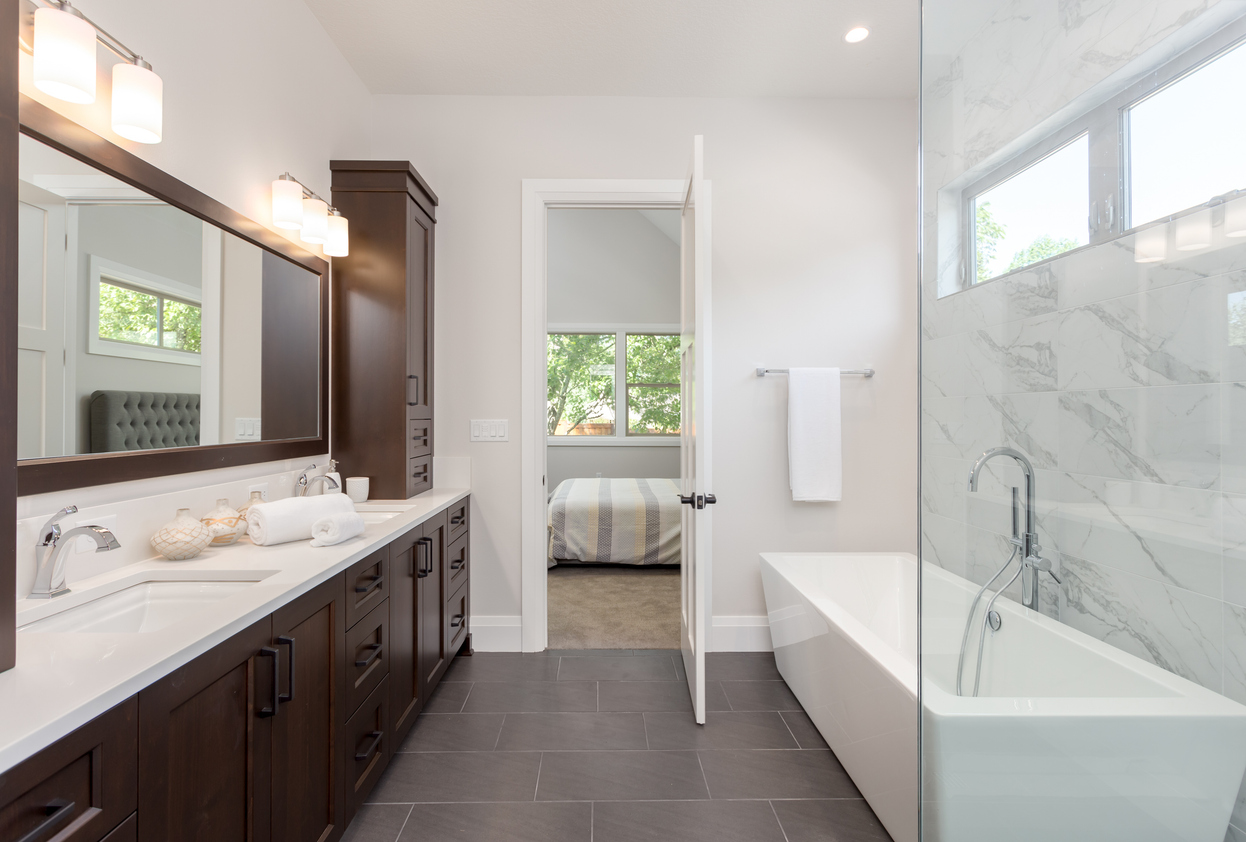
Comparing Low-Maintenance Tile Materials
Different tile materials require different levels of everyday care.
Porcelain Tile
Porcelain is one of the strongest all-around choices when easy cleaning and low maintenance are priorities.
Best for:
- Kitchens
- Bathrooms
- High-traffic floors
- Entryways
What to know:
- Very low water absorption
- Generally resistant to everyday moisture and spills
- Usually does not require routine sealing
- Available in many easy-to-clean finishes
Ceramic Tile
Glazed ceramic is another practical option, especially in areas where heavy floor traffic is not the main concern.
Best for:
- Backsplashes
- Bathroom walls
- Kitchen walls
- Floors when specifically floor-rated
What to know:
- Glazed surfaces are generally easy to wipe clean
- Does not usually require the same care as porous materials
- Finish can affect cleaning requirements
- Always check the recommended application
Natural Stone Tile
Natural stone can create a distinctive surface, but maintenance varies significantly depending on the stone.
Best for:
- Design-focused interiors
- Feature areas
- Floors where natural variation is desired
- Homeowners comfortable with additional care
What to know:
- Many stones require sealing
- Some cleaners can damage sensitive stone
- Porosity varies by material
- Maintenance instructions should be reviewed before installation
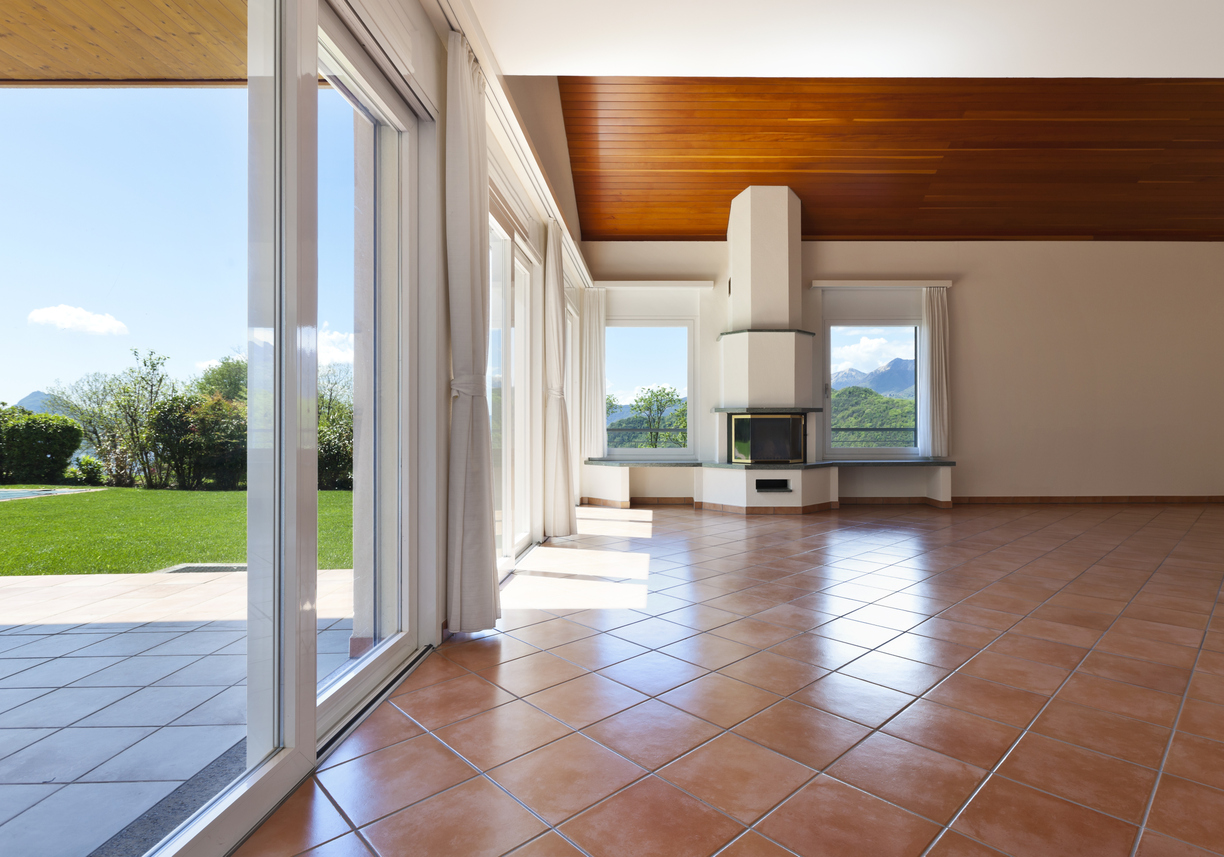
Where Cement Tile Fits
Cement tile can add strong color, pattern, and character, but it generally requires more attention than porcelain or glazed ceramic.
Best for:
- Decorative floors
- Feature areas
- Pattern-focused spaces
- Projects where appearance is the priority
What to know:
Cement tile is porous and commonly requires sealing to help protect it from staining and moisture. Cleaning products also need to be chosen carefully.
If simple everyday care is the main goal, porcelain or glazed ceramic will usually be the more practical choice.
How to Choose Tile That Is Easy to Clean
The tile material is only one part of the maintenance equation.
Consider the Room
Think about what the tile will be exposed to.
Common concerns include:
- Food spills in kitchens
- Water in bathrooms
- Dirt in entryways
- Heavy foot traffic
- Outdoor debris
A surface that works well on a backsplash may not be the best choice for a busy floor.
Look at the Finish
Surface texture has a major effect on cleaning.
Compare:
- Smooth finishes
- Matte finishes
- Light texture
- Heavy texture
- Natural or honed surfaces
More texture can add traction and visual interest, but it may also require more effort to clean.
Check Sealing Requirements
Before choosing a tile, find out whether it requires:
- Initial sealing
- Periodic resealing
- Specialized cleaners
- Additional stain protection
These requirements can make a significant difference in long-term upkeep.
Think About Grout
Grout often requires more cleaning attention than the tile itself.
Consider:
- Tile size
- Number of grout joints
- Grout color
- Joint width
- Location of the installation
Larger-format tile can reduce the overall amount of grout on a surface.
Order Samples Before Choosing
Samples can help you compare how practical different surfaces actually feel.
Look at:
- Texture
- Finish
- Surface variation
- How easily the tile wipes clean
- How dirt or water marks appear
A tile that looks simple online may feel very different once you see the actual surface.
Common Mistakes to Avoid
Choosing low-maintenance tile involves more than looking at the material name.
- Assuming every porcelain tile has the same surface
- Choosing heavy texture without considering cleaning
- Selecting stone without checking sealing requirements
- Using cement tile without planning for ongoing care
- Ignoring grout maintenance
- Choosing cleaning products before reviewing care instructions
- Selecting tile based only on appearance
- Skipping samples before placing a full order
Tips to Get the Best Results
- Choose porcelain when low maintenance is the main priority
- Consider glazed ceramic for easy-to-clean wall surfaces
- Review sealing requirements before buying stone or cement
- Avoid unnecessary texture in areas that need frequent cleaning
- Consider larger tile when you want fewer grout joints
- Order samples and compare the actual surfaces
- Match the tile to the amount of traffic and moisture
- Follow the manufacturer’s cleaning recommendations
Choosing a practical material, finish, and grout combination can make a tiled surface much easier to care for over time.
Frequently Asked Questions
Is porcelain the easiest tile to clean?
Porcelain is generally one of the easiest tile materials to clean and maintain because of its low water absorption and durable surface. The individual finish can still affect how easy it is to wipe down.
Is ceramic tile easy to maintain?
Yes. Glazed ceramic is typically easy to clean and requires relatively little routine maintenance when used in an appropriate application.
What tile requires the least sealing?
Porcelain and glazed ceramic generally do not require the same routine sealing as many natural stone and cement tiles. Always check the specific product instructions.
Does textured tile take longer to clean?
It can. Deeply textured surfaces may collect more dirt or residue than smoother finishes, although texture may be useful where additional traction is important.
Does larger tile require less maintenance?
It can reduce grout maintenance because larger tiles create fewer grout joints across the same surface area. The tile material and finish still determine most of the surface care requirements.