
Is Cement Tile Better Than Porcelain Tile for Some Spaces?
Yes. Cement tile can be the better choice when pattern, color, texture, and a handcrafted look are the priorities. Porcelain is usually the more practical option when moisture resistance, durability, and easier maintenance matter most.
The right choice depends heavily on where the tile will be installed. A decorative cement floor in a dry interior space has very different requirements from a bathroom, entryway, or outdoor area exposed to moisture and frequent use.
When shopping online, compare more than the design. Material, finish, recommended applications, maintenance, and samples can help you decide which option makes the most sense for your project.
Cement tile can be better for design-forward spaces where color, pattern, and natural variation are important. Porcelain is generally better for moisture-prone, high-traffic, or lower-maintenance areas.
When comparing cement tile vs porcelain tile:
- Choose cement for bold patterns and character
- Choose porcelain for strong moisture resistance
- Consider porcelain for busy or high-traffic spaces
- Expect cement to require more ongoing care
- Check whether each tile is approved for your installation area
- Consider indoor versus outdoor use
- Compare samples to see color, texture, and finish in person
- Think about long-term maintenance as well as appearance
Neither material is better everywhere. The best choice depends on how the room is used and the type of design you want to create.
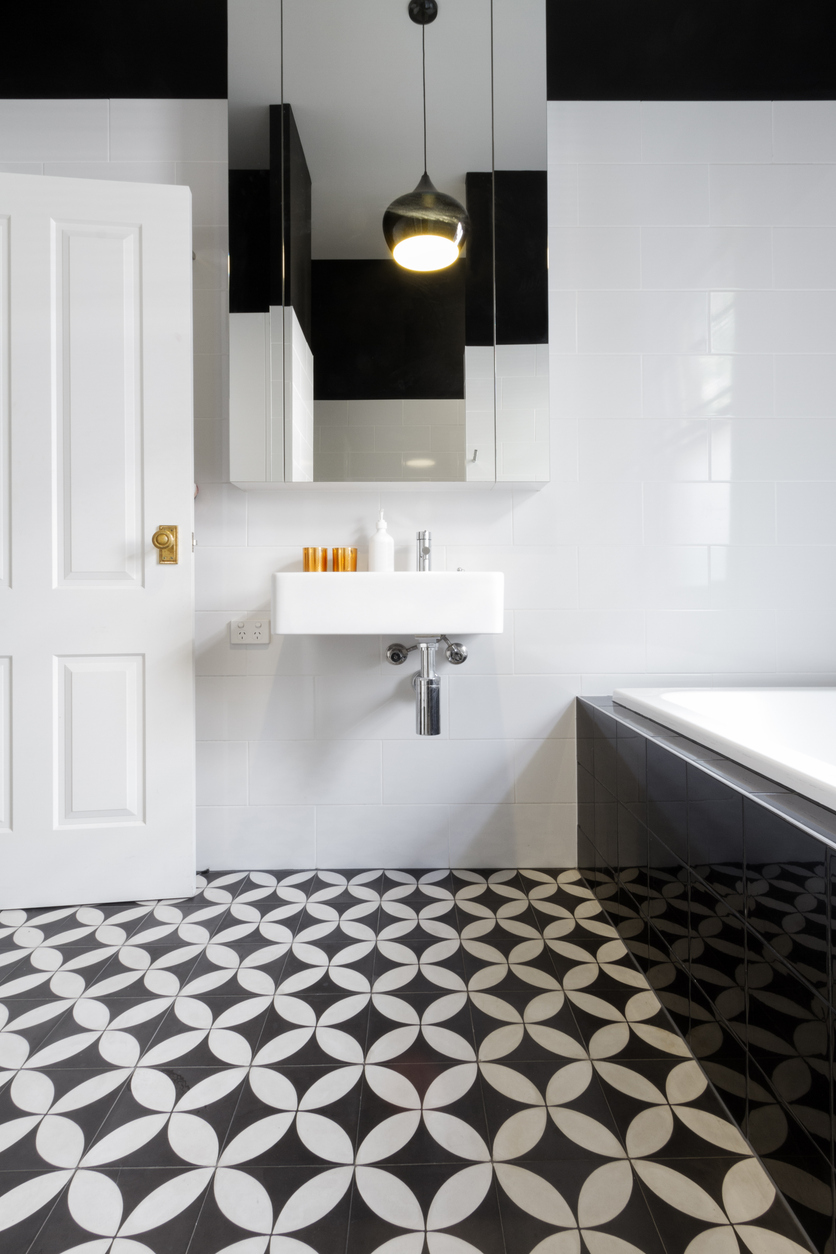
Cement Tile vs Porcelain Tile
The biggest differences between cement and porcelain come down to appearance, porosity, maintenance, and where each material performs best.
Cement Tile
Cement tile is known for rich color, decorative patterns, and natural variation that gives the finished surface more character.
Best for:
- Statement floors
- Decorative walls
- Kitchens and entryways
- Design-forward interiors
What to know:
- Often features distinctive patterns and color combinations
- Natural variation can be part of the finished look
- Typically requires more maintenance than porcelain
- Sealing and care requirements should be reviewed before installation
Porcelain Tile
Porcelain is dense, durable, and available in styles ranging from simple field tile to decorative and stone-inspired designs.
Best for:
- Bathrooms
- Busy kitchens
- High-traffic floors
- Moisture-prone areas
What to know:
- Low water absorption makes it practical around moisture
- Generally easier to maintain than cement
- Available in many sizes, colors, and finishes
- Some porcelain products are suitable for both indoor and outdoor use
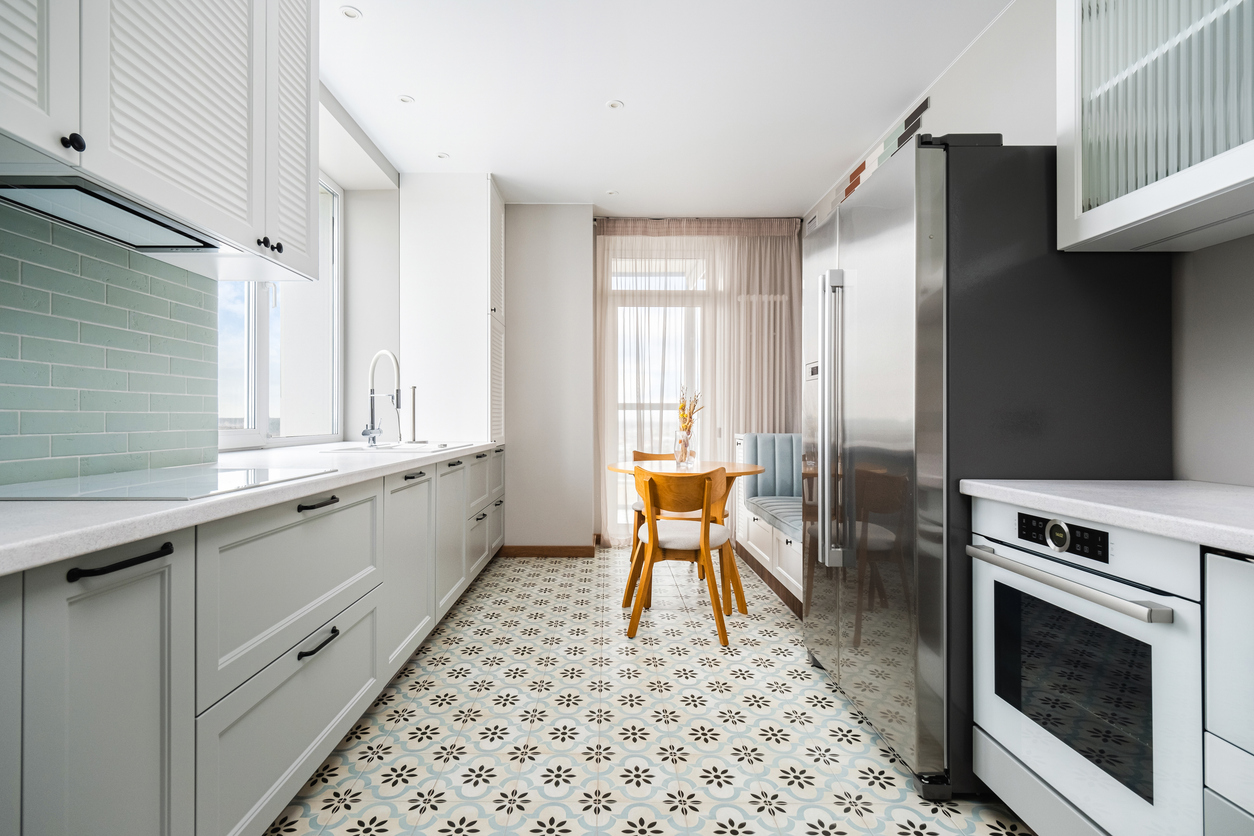
When Cement Tile May Be the Better Choice
Cement tile makes the most sense when the tile itself is intended to become an important part of the room's design.
Best for:
- Adding a bold pattern to a floor
- Creating a decorative kitchen feature
- Bringing color into a neutral room
- Spaces where variation and character are welcome
What to know:
Cement tile can create a look that feels more layered and individual than a highly uniform surface. Pattern, pigment, and slight variation between pieces can become part of the appeal.
The tradeoff is maintenance. If you prefer a surface that requires less attention, porcelain may be a better fit even if you like the appearance of cement.
How to Choose Between Cement and Porcelain Tile
A few practical questions can help you decide which material fits your project.
Start With Where the Tile Will Go
Consider whether you are choosing tile for:
- A kitchen
- A bathroom
- An entryway
- A living space
- An outdoor area
The amount of moisture, traffic, and everyday wear should influence the material you choose.
Decide How Important Pattern and Variation Are
Cement tile is especially appealing when you want bold pattern, saturated color, or a handcrafted feeling.
Porcelain can offer decorative designs too, but it is often chosen when performance and easier maintenance are stronger priorities.
Compare Maintenance Requirements
Think about how much ongoing care you want to manage.
Review:
- Sealing requirements
- Cleaning recommendations
- Stain resistance
- Moisture exposure
- Long-term care
Cement generally needs more attention, while porcelain tends to be easier to maintain.
Order Samples Before Choosing
Samples help you compare the actual materials rather than relying only on product photos.
Look at them:
- In natural daylight
- Under room lighting
- Beside cabinets or furniture
- Against other flooring or wall finishes
Pay attention to color, texture, variation, and how the surface feels in person.
Check the Product Specifications
Material alone does not determine where every tile can be used.
Confirm:
- Floor or wall suitability
- Wet-area recommendations
- Outdoor suitability
- Finish
- Maintenance instructions
- Installation requirements
Always choose based on the specifications of the individual tile.
Common Mistakes to Avoid
Comparing cement and porcelain only by appearance can lead to problems later.
- Assuming cement and porcelain require the same maintenance
- Choosing cement without considering sealing and care
- Assuming every porcelain tile is suitable for every application
- Using tile in a wet area without checking product specifications
- Choosing a pattern without ordering a sample
- Ignoring natural variation in cement tile
- Forgetting to consider grout and layout
- Choosing based on trend rather than how the space will be used
Tips to Get the Best Results
- Start with the practical requirements of the room
- Choose cement when pattern and character are priorities
- Consider porcelain when moisture and easy maintenance matter most
- Review recommended applications before ordering
- Order samples of both materials when possible
- Compare surfaces under your actual room lighting
- Plan grout and layout along with the tile
- Account for extra material when calculating your order
Comparing the materials in your own space can make it much easier to decide whether the character of cement or the practicality of porcelain is the better fit.
Frequently Asked Questions
Is cement tile more durable than porcelain tile?
Porcelain is generally the more durable and moisture-resistant option for demanding areas. Cement can perform well in appropriate spaces, but it usually requires more care and maintenance.
Is cement tile good for bathrooms?
Cement tile may work in some bathroom applications, but moisture exposure, sealing, and the individual product's recommended uses should be reviewed carefully before choosing it.
Is porcelain tile easier to maintain than cement tile?
Generally, yes. Porcelain has low water absorption and typically requires less ongoing maintenance, while cement tile may need sealing and more careful cleaning.
Is cement tile good for high-traffic floors?
It can be used on some high-traffic floors when the product is suitable and properly maintained. Porcelain is often the more practical choice when durability and low maintenance are the main priorities.
Should I order cement and porcelain tile samples first?
Yes. Comparing samples lets you see the actual color, texture, finish, and variation of each material before deciding which works best in your space.