
What Is the Best Tile for Shower Walls?
Shower wall tile needs to handle frequent moisture while still being easy to clean and visually connected to the rest of the bathroom. Material, finish, tile size, grout, and maintenance can all affect how the shower looks and performs over time.
For most showers, porcelain tile is one of the best overall choices because it is dense, moisture-resistant, durable, and available in many colors, sizes, and finishes. Ceramic and natural stone can also work well depending on the design and maintenance you prefer.
When shopping online, ordering tile samples can help you compare the actual color, texture, and finish with your bathroom lighting, flooring, vanity, and other surfaces.
Quick Answer: What Is the Best Tile for Shower Walls?
For most bathrooms, porcelain tile is a strong all-around choice for shower walls because it combines moisture resistance, durability, easy maintenance, and plenty of design options.
Before choosing shower wall tile, consider:
- Whether the tile is approved for shower or wet-area use
- Porcelain for durability and moisture resistance
- Ceramic for versatile colors, shapes, and designs
- Natural stone if you are comfortable with additional maintenance
- Smooth versus textured surfaces and how easily they clean
- Tile size and the amount of visible grout
- How the tile coordinates with the bathroom floor
- Ordering samples before making a larger purchase
The best shower wall tile should fit your design while also being practical for a surface that gets wet regularly.
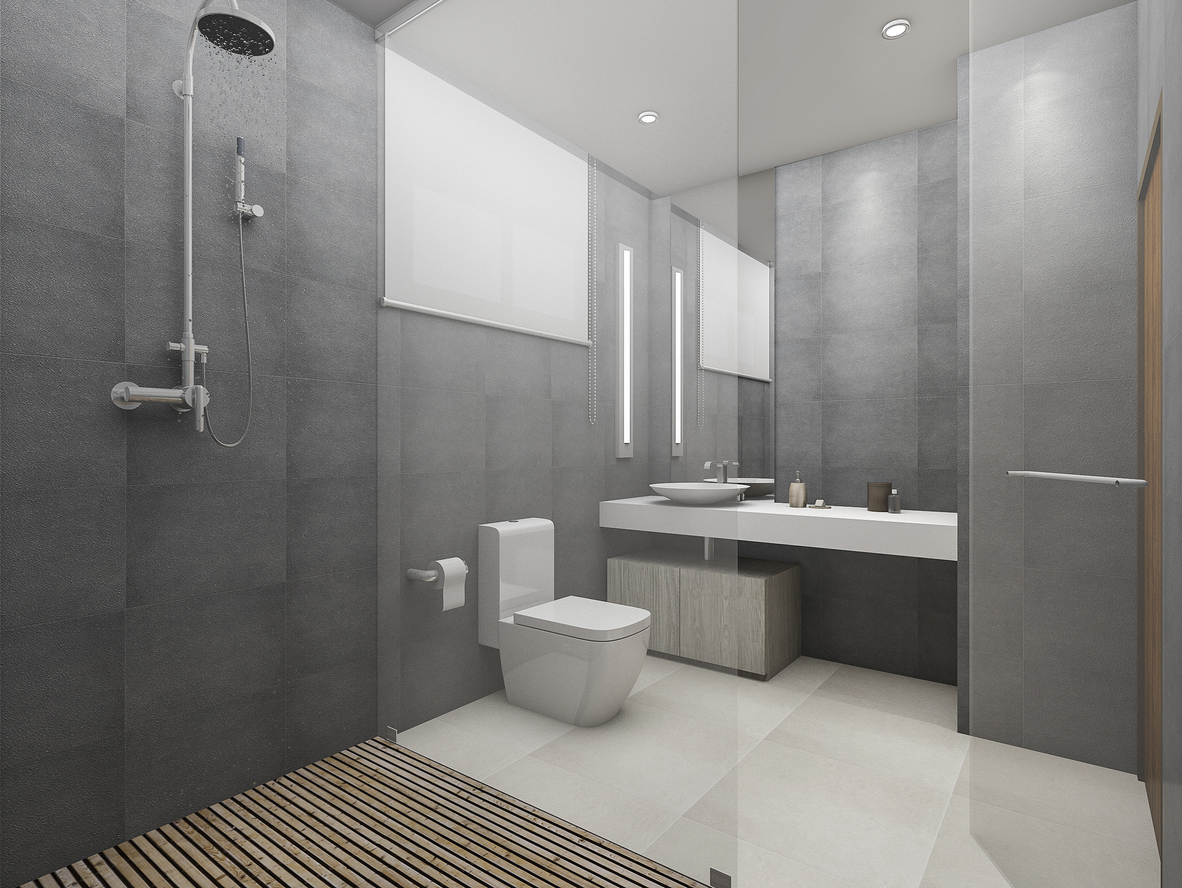
Types of Tile You Can Use for Shower Walls
Several materials work well in showers. The right choice depends on the look you want, how much maintenance you prefer, and the specifications of the individual tile.
Porcelain Tile
Porcelain is a practical and versatile option for shower walls.
Best for:
- Everyday showers
- Modern bathrooms
- Low-maintenance designs
- Large-format installations
What to know:
- Dense and resistant to moisture
- Available in many colors and finishes
- Can recreate stone and other natural looks
- Smooth surfaces are generally straightforward to clean
Ceramic Tile
Ceramic tile offers a wide range of colors, shapes, finishes, and decorative possibilities.
Best for:
- Classic shower designs
- Colorful bathrooms
- Smaller tile shapes
- Decorative shower walls
What to know:
- Glazed ceramic can work well in wet areas
- Available in many design styles
- Product specifications should be checked for shower use
- Grout and layout can strongly influence the finished look
Natural Stone Tile
Natural stone can bring variation, texture, and an organic look into a shower.
Best for:
- Natural design palettes
- Warm, timeless bathrooms
- Textured shower walls
- Character-rich spaces
What to know:
- Maintenance varies by stone type
- Some materials require sealing
- Natural variation is part of the appearance
- Care requirements are generally higher than porcelain or ceramic
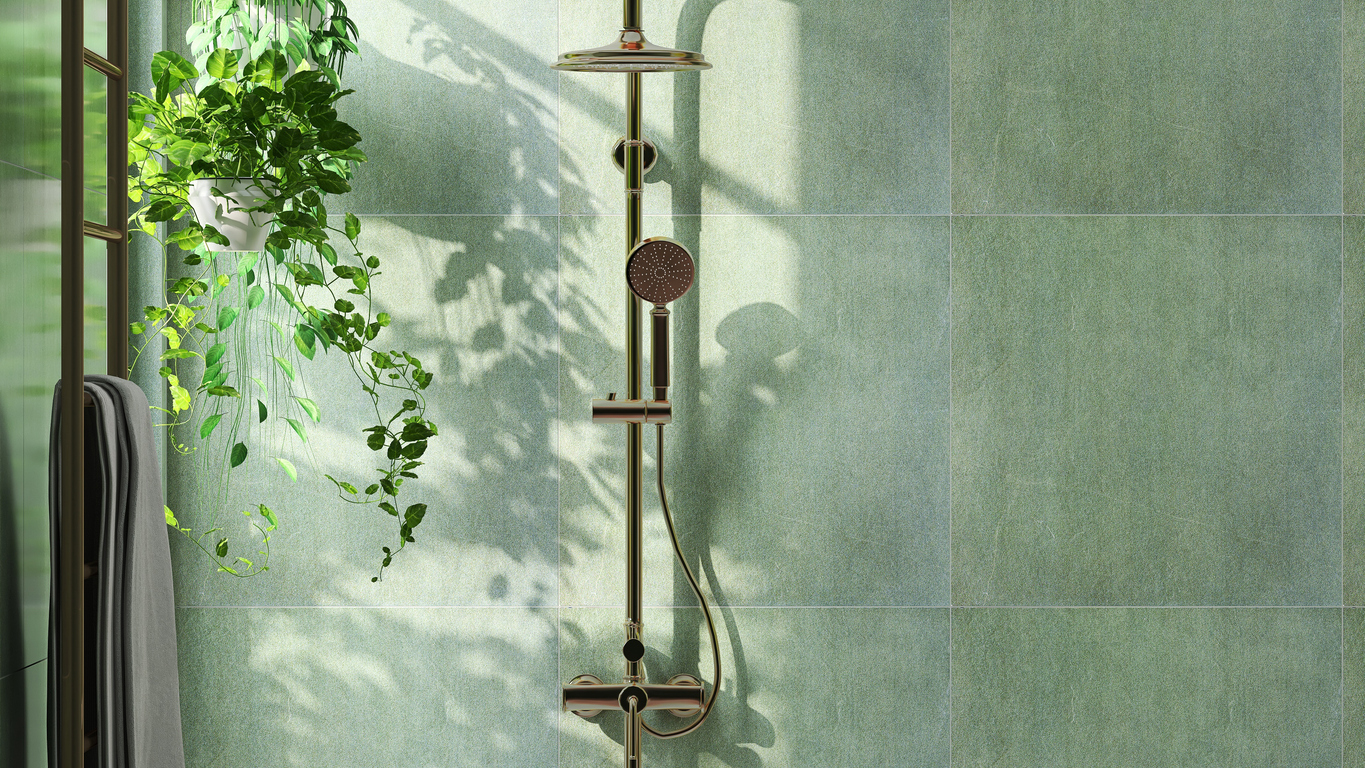
Large-Format & Decorative Shower Wall Tile
Shower walls can also be a place to use scale, color, or pattern more intentionally.
Best for:
- Creating a cleaner look with fewer grout lines
- Adding color or pattern to the bathroom
- Designing a shower feature wall
- Coordinating shower tile with the rest of the room
What to know:
Large-format tile can create a more continuous surface, while smaller or decorative tile can add more detail. Patterned, colorful, or artisan-inspired tile can also work as an accent when the product is suitable for shower walls.
Samples are especially useful for seeing how color, texture, and pattern scale look across a vertical surface before you commit to the full shower.
How to Choose Shower Wall Tile Online
A few practical decisions can make it easier to compare shower tile when shopping online.
Check Shower and Wet-Area Suitability
Start with the recommended applications for the tile.
Look for information about:
- Shower wall use
- Wet-area suitability
- Material and finish
- Cleaning requirements
Tile is only one part of a shower system, so proper waterproofing behind the finished surface is also essentia
Decide on the Overall Bathroom Look
Think about whether you want the shower to feel:
- Clean and minimal
- Classic
- Colorful
- Natural
- Patterned
- Bold
This can help narrow down material, color, shape, and finish.
Order Samples Before Choosing
Samples help you see details that can be difficult to judge online.
View them:
- Under bathroom lighting
- Next to the bathroom floor
- Beside your vanity or countertop
- In both natural and artificial light
Pay attention to color, texture, shine, and variation.
Think About Tile Size and Grout
Tile size can change both the appearance and maintenance of a shower wall.
Consider:
- Large versus small formats
- Grout line visibility
- Vertical or horizontal layouts
- Pattern direction
- Niches, corners, and edges
Planning these details early can make the finished shower feel more intentional.
Plan Quantity and Installation Details
Measure the shower carefully before placing your full order.
Remember to account for:
- Cuts and corners
- Shower niches
- Fixtures and plumbing
- Pattern alignment
- Extra material for breakage or future repairs
Planning ahead helps reduce surprises once installation begins.
Common Mistakes to Avoid
Shower tile needs to work practically as well as visually.
- Choosing tile without checking wet-area suitability
- Assuming tile alone makes a shower waterproof
- Skipping samples before ordering
- Choosing highly textured surfaces without considering cleaning
- Forgetting how much grout a smaller tile creates
- Ignoring niches, corners, and exposed edges
- Choosing grout only after the tile has been selected
- Ordering without allowing extra material for cuts and breakage
Tips to Get the Best Results
- Start with tile approved for shower wall applications
- Compare porcelain and ceramic based on design and maintenance
- Order samples and view them in your bathroom
- Look at the surface under different lighting
- Consider how easily the finish will clean
- Plan grout color alongside the tile
- Think through niches, edges, and layout before installation
- Confirm measurements and extra material before ordering
Taking time to compare materials, samples, and layout options can make choosing shower wall tile online much easier.
Frequently Asked Questions
Is porcelain or ceramic better for shower walls?
Both can work well. Porcelain is dense and highly moisture-resistant, while glazed ceramic offers many colors, shapes, and decorative options. The best choice depends on the specific tile and the look you want.
Can natural stone be used on shower walls?
Yes, some natural stone can be used in showers, but maintenance and sealing requirements vary. Check the specific product recommendations before choosing stone for a wet area.
Are large tiles good for shower walls?
Yes. Large-format tile can create a clean appearance with fewer grout lines. The shower dimensions, layout, and installation requirements should be considered before choosing the size.
What shower wall tile is easiest to clean?
Smooth porcelain and glazed ceramic surfaces are generally easier to clean than highly textured or porous materials. Grout quantity and surface finish also affect maintenance.
Should I order shower tile samples first?
Yes. Samples allow you to compare the actual color, texture, finish, and scale with your bathroom floor, vanity, lighting, and other finishes before placing a larger order.