
Which Materials Are Best for Design-Forward Spaces vs Practical Everyday Use?
The best tile material depends on what matters most in the space. If visual character is the priority, artisan tile, natural stone, cement, and decorative finishes can bring more variation, texture, and personality into a room.
For practical everyday use, porcelain is one of the strongest all-around choices because it combines durability, low water absorption, and relatively simple maintenance. Glazed ceramic can also be a practical option for many walls and appropriate floor applications.
You do not always have to choose between design and function. Combining a practical field tile with a more distinctive accent tile can give you both.
Quick Answer: Which Tile Is Best for Design vs Everyday Use?
For design-forward spaces, consider artisan tile, natural stone, cement tile, mosaics, and decorative patterns. For practical everyday surfaces, porcelain and glazed ceramic are generally easier to maintain.
When comparing materials:
- Porcelain balances durability, moisture resistance, and design flexibility
- Ceramic works well for many easy-care wall applications
- Artisan tile adds texture, variation, and handcrafted character
- Natural stone brings unique color and surface variation
- Cement tile works well when pattern and color are priorities
- Decorative tile can create focal points without covering every surface
- Maintenance requirements vary by material and finish
- Always check the recommended application before ordering
The right choice depends on whether durability, easy cleaning, visual impact, or a combination of all three matters most.
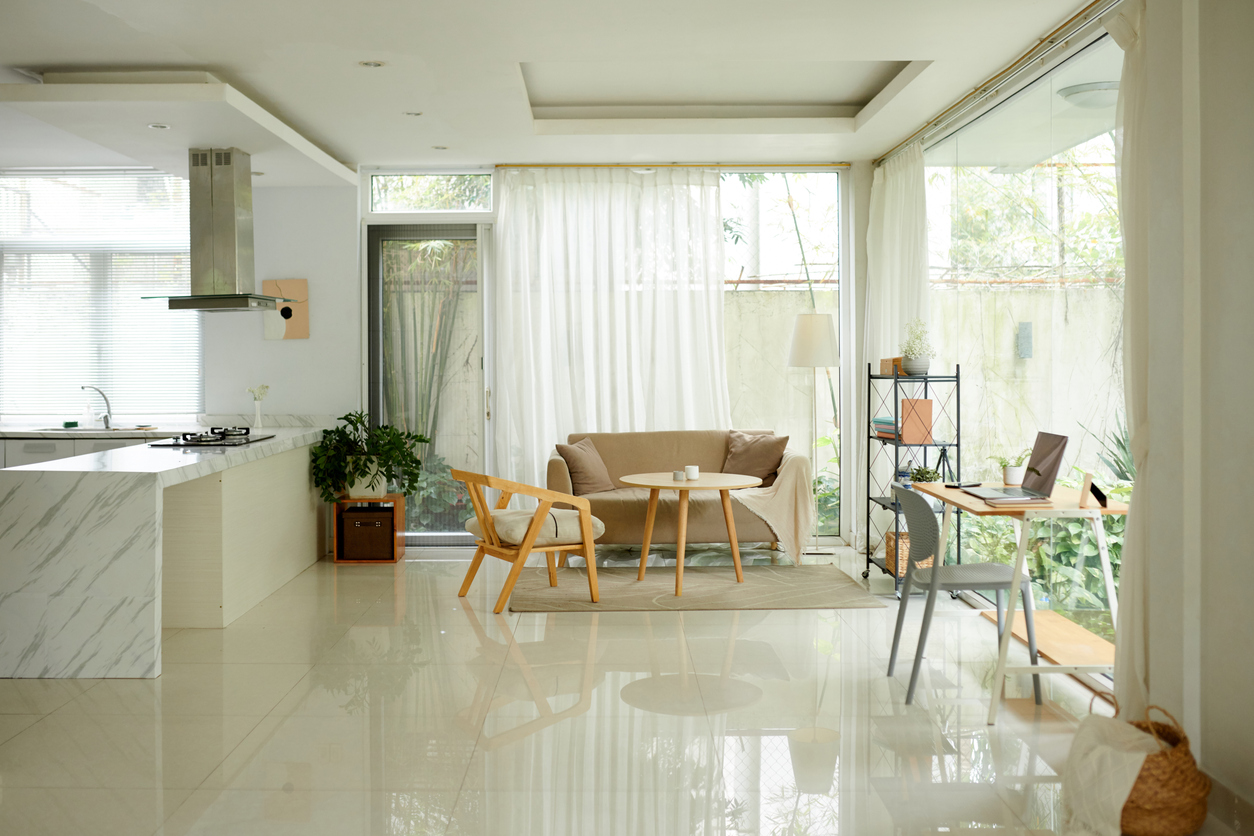
Tile Materials to Consider
Different materials bring different strengths to a room, so it helps to think about both appearance and everyday performance.
Porcelain Tile
Porcelain is one of the most versatile choices when you want practical performance without giving up design options.
Best for:
- Kitchens
- Bathrooms
- High-traffic floors
- Everyday living spaces
What to know:
- Very low water absorption
- Durable for many floor applications
- Relatively easy to maintain
- Available in a wide range of colors, patterns, and finishes
Artisan & Decorative Tile
Artisan and decorative tile can make the tile itself an important part of the room's design.
Best for:
- Kitchen backsplashes
- Feature walls
- Bathroom accents
- Statement areas
What to know:
- Can introduce color, texture, pattern, or variation
- Handmade and handcrafted looks may vary between pieces
- Often works well alongside simpler field tile
- Maintenance depends on the specific material and finish
Natural Stone & Cement Tile
Stone and cement can bring depth and character that is difficult to replicate with highly uniform surfaces.
Best for:
- Design-focused interiors
- Decorative floors
- Entryways
- Feature areas
What to know:
- Natural variation is part of the appearance
- Many products require more care than porcelain
- Sealing requirements may apply
- Cleaning instructions should be reviewed before choosing
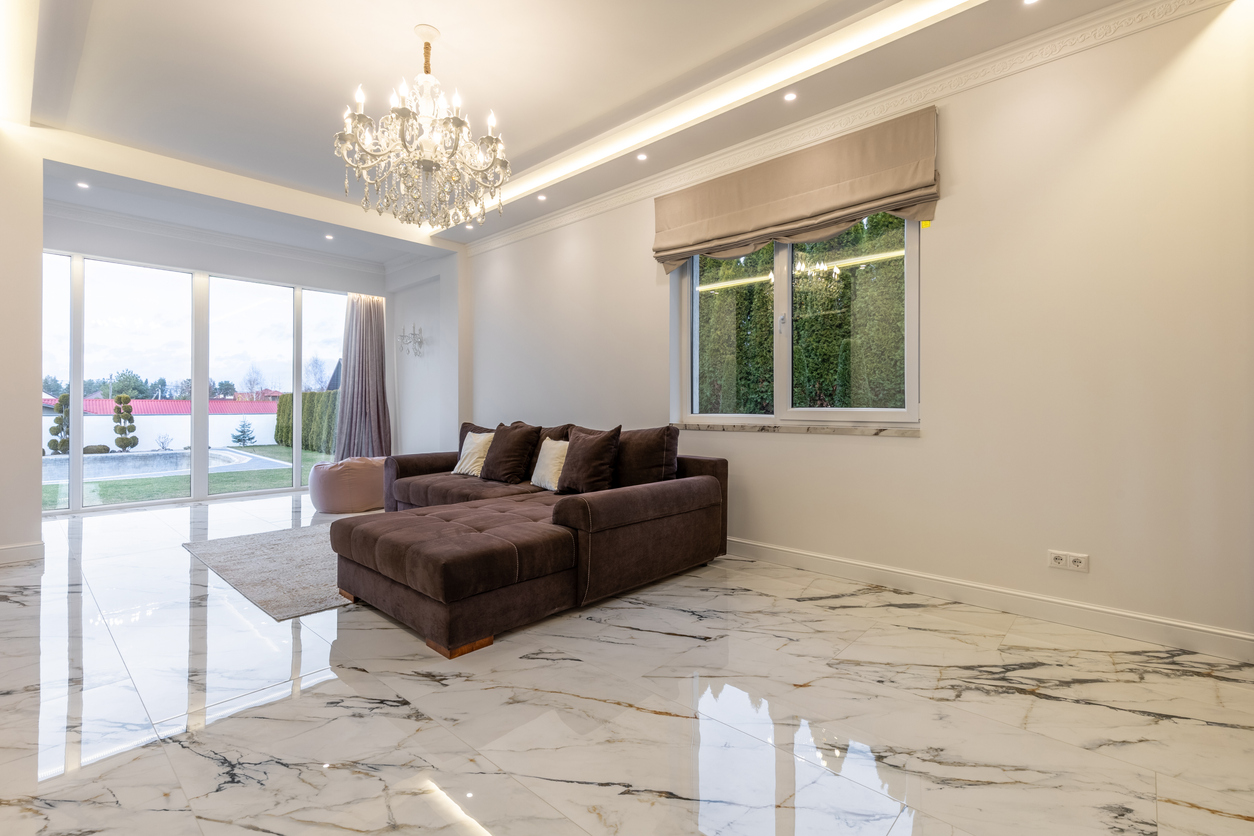
Mixing Practical Tile With Statement Tile
One of the easiest ways to balance design and everyday function is to use different materials for different roles.
Best for:
- Porcelain floors with decorative backsplashes
- Simple shower field tile with an artisan accent
- Practical kitchen floors with patterned wall tile
- Neutral surfaces with a stronger feature area
What to know:
A durable, easy-care tile can handle the surfaces that receive the most traffic, water, or cleaning, while a more expressive tile can be used where visual impact matters most.
This approach can also make a bold tile feel more intentional because it has simpler surfaces around it.
How to Choose Between Design and Practicality
A few questions can help you decide where to prioritize performance and where to introduce more character.
Consider How the Space Is Used
Start with the amount of wear the tile will receive.
Think about:
- Foot traffic
- Water exposure
- Spills
- Frequent cleaning
- Children or pets
Busy surfaces generally benefit from materials selected with durability and maintenance in mind.
Decide Where You Want Visual Impact
Not every tiled surface needs to become the focal point.
Consider using statement tile on:
- Backsplashes
- Feature walls
- Niches
- Fireplace surrounds
- Smaller bathroom areas
This allows you to introduce a stronger design without overwhelming the room.
Compare Maintenance Requirements
Before choosing a material, review:
- Sealing needs
- Cleaning instructions
- Water resistance
- Surface texture
- Stain considerations
A material you love visually should also fit the amount of care you are comfortable providing.
Order Samples Together
Compare practical and decorative options in the same space.
Look at samples:
- Under the room’s lighting
- Beside cabinets or countertops
- Against nearby flooring
- Next to one another
This helps you see whether the materials feel connected even when they have different roles.
Check the Recommended Application
A tile’s appearance does not determine where it can be used.
Always confirm:
- Floor or wall suitability
- Wet-area recommendations
- Exterior suitability when relevant
- Slip resistance
- Care requirements
Choose the material only after confirming it works for the intended surface.
Common Mistakes to Avoid
Balancing design and practicality is easier when each surface has a clear purpose.
- Choosing every tile based only on appearance
- Assuming practical tile has to look basic
- Using delicate or higher-maintenance material in the wrong application
- Covering too many surfaces with competing statement tiles
- Ignoring sealing and cleaning requirements
- Choosing texture without considering maintenance
- Forgetting floor, wet-area, or exterior ratings
- Skipping samples before making a larger purchase
Tips to Get the Best Results
- Use porcelain where durability and easy care matter most
- Consider glazed ceramic for practical wall applications
- Use artisan or decorative tile to create focal points
- Choose stone or cement when natural character is worth additional care
- Mix statement tile with simpler field tile
- Compare maintenance requirements before ordering
- Order samples and view materials together
- Confirm the intended application for every tile
A thoughtful mix of practical and expressive materials can create a space that looks distinctive without making everyday care unnecessarily difficult.
Frequently Asked Questions
What is the best tile for everyday use?
Porcelain is one of the strongest all-around choices for everyday use because it is durable, has very low water absorption, and is relatively easy to maintain.
What tile works best for a design-forward space?
Artisan tile, decorative tile, natural stone, cement tile, and mosaics can all create distinctive spaces through color, pattern, texture, and natural variation.
Can practical tile still look stylish?
Yes. Porcelain and ceramic are available in many colors, shapes, patterns, and finishes, so choosing a practical material does not mean giving up design possibilities.
Should statement tile be used throughout an entire room?
It can be, but it does not have to be. Using statement tile in a focused area and pairing it with simpler field tile can create a more balanced design.
Should I order samples before mixing tile materials?
Yes. Comparing samples together helps you evaluate color, texture, finish, scale, and how the different materials relate to one another before placing a larger order.