
What Are the Best Types of Slip-Resistant Tiles for a Family Bathroom?
A family bathroom needs flooring that can handle water, regular cleaning, and plenty of everyday foot traffic. Choosing a slip-resistant bathroom tile can help provide better traction while still giving you plenty of options for color, shape, and style.
Porcelain is often one of the best choices because it is durable, moisture-resistant, and available in textured and matte finishes. Smaller mosaic tiles can also work well because the additional grout lines may provide more grip underfoot.
When shopping online, check that the specific tile is approved for bathroom floor and wet-area use rather than choosing by material alone.
Quick Answer: What Are the Best Slip-Resistant Tiles for a Family Bathroom?
For most family bathrooms, textured or matte porcelain tile and smaller-format mosaic tile are strong options because they combine moisture resistance, durability, and practical traction.
When comparing bathroom floor tile, consider:
- Porcelain with a matte or textured finish
- Mosaic tile with more frequent grout lines
- Ceramic tile specifically rated for floor use
- The manufacturer’s slip-resistance information
- How the surface feels when wet
- Ease of cleaning and maintenance
- Tile size and grout layout
- Samples to compare texture before ordering
No bathroom floor is completely slip-proof, so the individual tile’s specifications and intended application matter as much as the material.
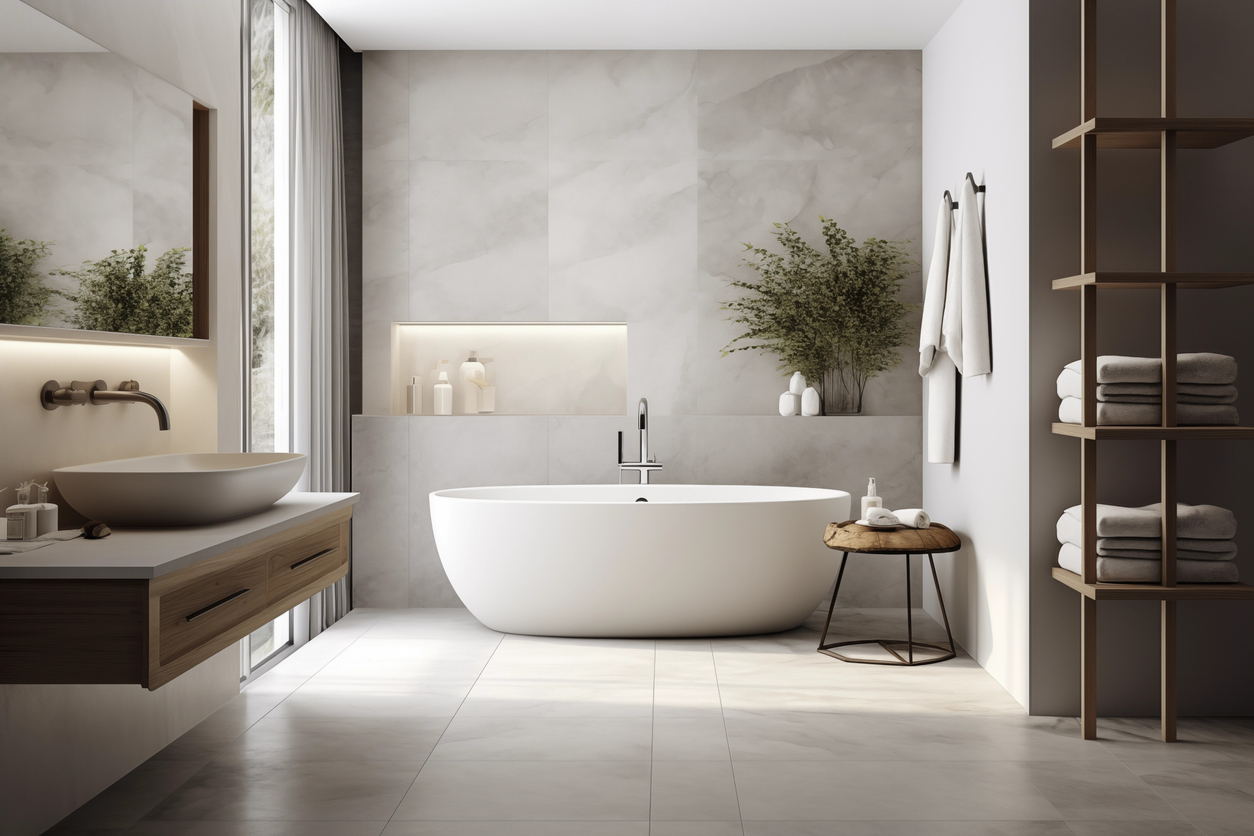
Types of Slip-Resistant Tile for Family Bathrooms
Several tile styles can work well in a busy bathroom. Focus on the surface finish and floor rating rather than assuming every tile made from the same material will perform alike.
Textured or Matte Porcelain Tile
Porcelain is a popular bathroom flooring option because it is dense, durable, and resistant to moisture.
Best for:
- Family bathrooms
- High-traffic bathrooms
- Wet environments
- Lower-maintenance spaces
What to know:
- Matte and textured finishes can provide more traction than highly polished surfaces
- Available in many colors, sizes, and designs
- Easy to coordinate with shower and wall tile
- Check the specific product’s floor and wet-area ratings
Mosaic Tile
Mosaics use smaller tile pieces with more grout joints across the floor.
Best for:
- Smaller bathrooms
- Shower-adjacent areas
- Decorative floors
- Spaces where added texture is helpful
What to know:
- Additional grout lines may improve traction underfoot
- Available in many shapes and patterns
- More grout means additional cleaning and maintenance
- Confirm that the mosaic is approved for floor use
Floor-Rated Ceramic Tile
Ceramic can also be a practical option when the specific product is designed for bathroom floors.
Best for:
- Guest and family bathrooms
- Classic designs
- Colorful floors
- Smaller or decorative tile formats
What to know:
- Not every ceramic tile is suitable for floors
- Finish affects traction and maintenance
- Glazed surfaces vary in how smooth they feel
- Always review the recommended applications before ordering
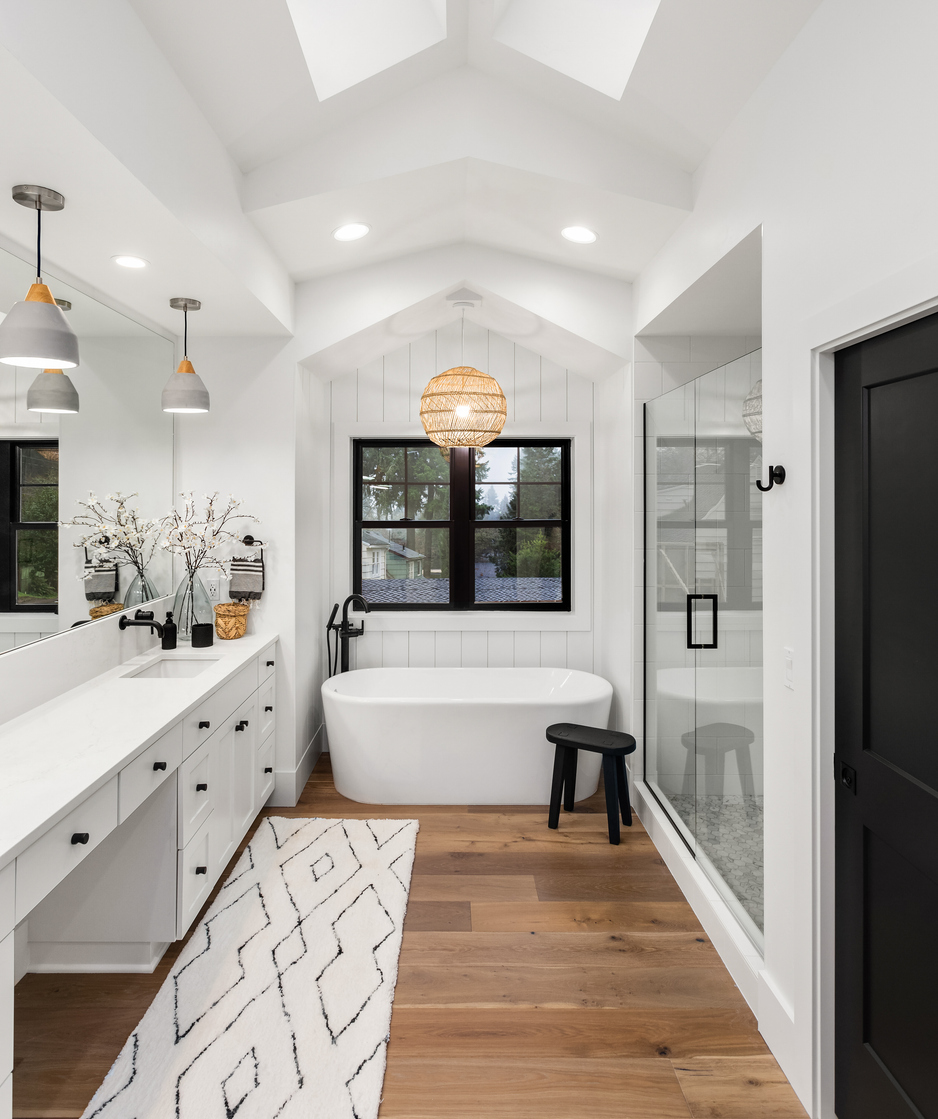
Finish, Texture & Grout Matter
Slip resistance is not determined by tile material alone. Two porcelain tiles, for example, can feel very different depending on their surface finish.
Best for:
- Comparing similar tile materials
- Balancing traction with easy cleaning
- Choosing between large and small formats
- Planning bathrooms used by the whole family
What to know:
A highly polished surface may feel smoother when wet, while matte or lightly textured finishes can offer more grip. Smaller tiles introduce additional grout joints, which can also affect traction.
Texture should still be practical to clean. A heavily textured surface may provide grip but can require more effort to maintain, so finding the right balance is important.
How to Choose Slip-Resistant Bathroom Tile Online
A few practical checks can make it easier to compare bathroom floor tile before ordering.
Check That the Tile Is Floor-Rated
Start with the recommended applications for each product.
Look for:
- Bathroom floor use
- Wet-area suitability
- Slip-resistance information
- Cleaning requirements
Do not assume a tile is appropriate for floors simply because it appears in a bathroom design.
Compare the Surface Finish
Pay attention to whether the tile is:
- Matte
- Textured
- Smooth
- Polished
For a family bathroom, traction should be considered alongside the overall appearance.
Order Samples Before Choosing
Samples let you see and feel the actual surface before placing a full order.
Compare them:
- Under bathroom lighting
- Beside your vanity and wall tile
- With bare feet when appropriate
- Against other bathroom finishes
Texture can be difficult to judge accurately from an online image alone.
Consider Tile Size and Grout
Tile size affects both appearance and the number of grout lines across the floor.
Think about:
- Large versus small formats
- Mosaic patterns
- Grout spacing
- Cleaning requirements
- How the tile fits around fixtures
The right combination depends on both design and practical needs.
Plan for Everyday Maintenance
Family bathrooms tend to see frequent water, spills, and cleaning.
Consider:
- How easily the surface wipes clean
- Grout maintenance
- Whether texture traps dirt
- The manufacturer’s care instructions
- Extra tile for cuts and future repairs
A practical floor should be manageable as well as attractive.
Common Mistakes to Avoid
Slip-resistant bathroom flooring requires more than choosing a tile that looks textured.
- Assuming every porcelain tile has the same slip resistance
- Choosing highly polished flooring without considering wet conditions
- Using wall-only tile on the floor
- Ignoring the manufacturer’s wet-area recommendations
- Skipping samples before ordering
- Choosing extreme texture without considering cleaning
- Forgetting how grout affects maintenance
- Using the term “non-slip” as if any floor can eliminate slipping completely
Tips to Get the Best Results
- Start with tile approved for bathroom floor use
- Compare matte and textured finishes
- Review available slip-resistance information
- Consider mosaics when smaller formats fit the design
- Order samples so you can feel the surface
- Balance texture with ease of cleaning
- Plan grout color and maintenance in advance
- Confirm measurements and extra material before ordering
Taking time to compare finish, texture, grout, and product specifications can make choosing slip-resistant bathroom tile online much easier.
Frequently Asked Questions
Is porcelain tile slip-resistant in bathrooms?
Some porcelain tiles are designed to provide good traction, but slip resistance varies by finish and product. Look for a floor-rated porcelain tile with specifications appropriate for wet bathroom areas.
Are mosaic tiles good for family bathroom floors?
Yes, many floor-rated mosaics work well in bathrooms. Their smaller size creates more grout joints, which may add traction, while also providing plenty of design options.
Is matte tile less slippery than polished tile?
Matte and textured finishes generally provide more surface grip than highly polished finishes, but the individual tile's slip-resistance information should still be checked.
What is the best tile size for a slip-resistant bathroom floor?
There is no single best size. Smaller tiles create more grout lines, while larger textured tiles can also work well when they are rated for wet bathroom floors.
Should I order bathroom floor tile samples first?
Yes. Samples help you compare the actual texture, finish, color, and scale before committing to a larger order, which is especially useful when traction is an important consideration.