
Which Exterior Tiles Handle Freezing Temperatures Best?
Outdoor tile in a cold climate needs to handle more than everyday foot traffic. Moisture can enter some materials, freeze as temperatures drop, and expand, which can contribute to cracking or surface damage over time.
For most exterior spaces exposed to freezing temperatures, porcelain tile is one of the best choices because it is dense, has very low water absorption, and is available in products specifically designed for outdoor use. Certain natural stone and exterior-rated ceramic tiles may also work depending on the product and climate.
When shopping online, always check the individual tile’s outdoor and freeze-thaw suitability rather than choosing based on material or appearance alone.
Quick Answer: Which Exterior Tile Is Best for Freezing Temperatures?
For most cold climates, exterior-rated porcelain tile is one of the strongest overall choices because its low water absorption helps it perform well through repeated freezing and thawing.
When comparing outdoor tile for cold weather, consider:
- Exterior-rated porcelain for low water absorption
- Products specifically approved for freeze-thaw conditions
- Natural stone only when the specific stone suits the climate
- Outdoor-rated ceramic when explicitly approved for freezing conditions
- Slip resistance for wet, icy, or snowy areas
- Surface texture and drainage
- Maintenance requirements
- Samples to compare color, finish, and texture before ordering
The best outdoor tile should be suited to both freezing temperatures and the specific conditions of your patio, walkway, or exterior living space.
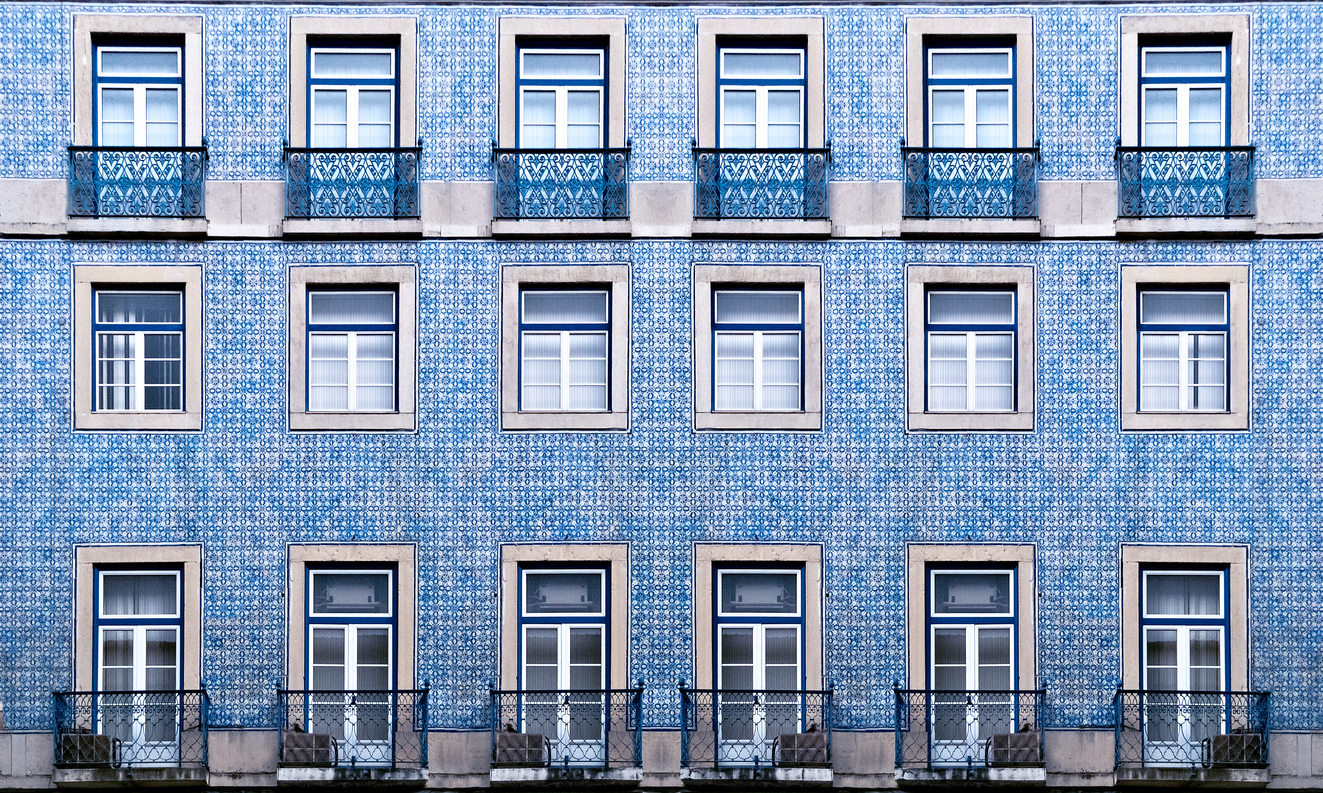
Exterior Tile Materials to Compare
Several tile materials can be used outdoors, but their ability to handle freezing weather depends heavily on water absorption and the specifications of the individual product.
Porcelain Tile
Porcelain is one of the most practical options for exterior spaces in climates that experience freezing temperatures.
Best for:
- Patios
- Walkways
- Outdoor living areas
- Cold and wet climates
What to know:
- Very low water absorption
- Available in exterior-rated options
- Durable enough for regular outdoor use
- Offered in many stone, concrete, and design-inspired looks
Natural Stone Tile
Certain natural stones can work beautifully outdoors and bring natural texture and variation to exterior spaces.
Best for:
- Patios
- Garden paths
- Walkways
- Natural landscape designs
What to know:
- Freeze-thaw performance varies significantly by stone type
- Some stone absorbs more moisture than others
- Sealing and maintenance requirements may apply
- Always confirm exterior and cold-climate suitability
Exterior-Rated Ceramic Tile
Some ceramic tile can be used outdoors, but product specifications matter especially in freezing climates.
Best for:
- Covered outdoor spaces
- Decorative exterior areas
- Mild-to-cold climates when specifically rated
- Projects where a particular ceramic design is preferred
What to know:
- Not every ceramic tile is suitable outdoors
- Water absorption varies by product
- Check freeze-thaw and exterior-use recommendations
- Do not assume indoor ceramic tile can be used outside
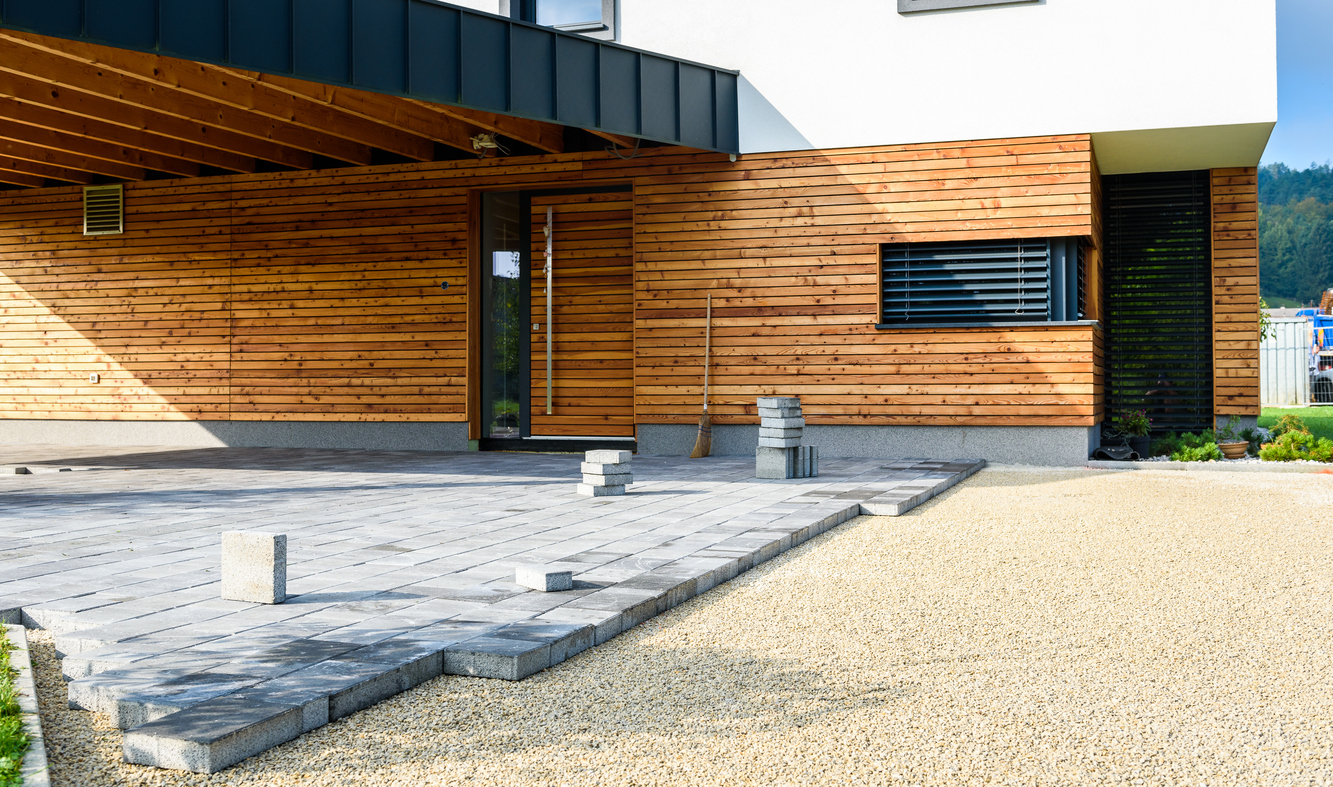
Water Absorption & Freeze-Thaw Resistance
How much moisture a tile absorbs is especially important in climates where temperatures regularly move above and below freezing.
Best for:
- Cold-climate patios
- Exposed walkways
- Outdoor kitchens
- Exterior spaces that regularly get wet
What to know:
Tile that absorbs less water has less moisture inside the material when temperatures fall. This is one reason exterior-rated porcelain is often recommended for freezing climates.
Installation matters too. Proper drainage, substrate preparation, and exterior installation materials all help protect an outdoor tile surface through changing weather conditions.
How to Choose Outdoor Tile for a Cold Climate
A few product and site checks can make it easier to narrow down exterior tile for freezing temperatures.
Confirm Exterior Use
Start by checking whether the specific tile is recommended for outdoor installation.
Look for:
- Exterior suitability
- Floor use
- Freeze-thaw recommendations
- Water absorption information
An attractive indoor tile is not automatically suitable for a patio or walkway.
Consider How Exposed the Area Is
Think about whether the tile will be installed in:
- A covered patio
- An uncovered patio
- A walkway
- An outdoor kitchen
- An area exposed to snow and rain
More exposed surfaces generally require greater attention to moisture and weather performance.
Consider Slip Resistance
Cold climates often mean rain, snow, ice, and wet surfaces.
Compare:
- Matte finishes
- Textured surfaces
- Outdoor slip-resistance information
- How the tile feels underfoot
Highly polished surfaces may not be the most practical choice for exposed exterior floors.
Order Samples Before Choosing
Outdoor lighting can make tile look very different from indoor product photos.
View samples:
- In direct sunlight
- In shade
- Next to exterior finishes
- Against nearby stone or landscaping
Also pay attention to surface texture and how practical it feels for the intended space.
Plan Installation and Quantity
Exterior installations need to account for weather as well as appearance.
Consider:
- Drainage
- Substrate preparation
- Expansion and movement
- Cuts and edges
- Extra material for breakage or future repairs
Proper installation is especially important where freeze-thaw cycles are common.
Common Mistakes to Avoid
Outdoor tile in a freezing climate requires more planning than simply choosing a durable-looking surface.
- Assuming every porcelain tile is rated for outdoor use
- Using indoor ceramic tile outside without checking specifications
- Ignoring freeze-thaw recommendations
- Choosing porous stone without understanding its maintenance
- Overlooking water absorption
- Selecting a smooth surface without considering traction
- Forgetting about drainage and installation conditions
- Ordering without keeping extra tile for future repairs
Tips to Get the Best Results
- Start with tile specifically approved for exterior use
- Consider porcelain for cold and moisture-prone climates
- Confirm freeze-thaw suitability before ordering
- Compare slip resistance as well as durability
- Order samples and view them outdoors
- Consider how snow, rain, and shade affect the space
- Review installation requirements before choosing a tile
- Keep additional tile after installation for future repairs
Taking time to compare exterior ratings, water absorption, texture, and samples can make choosing outdoor tile for a cold climate much easier.
Frequently Asked Questions
Is porcelain tile good for freezing temperatures?
Yes. Exterior-rated porcelain is one of the strongest options for freezing climates because its dense construction and low water absorption help it handle freeze-thaw conditions.
Can ceramic tile stay outside during winter?
Some ceramic tile can, but only when the specific product is approved for exterior use and freezing conditions. Many ceramic tiles are intended only for indoor applications.
Can natural stone handle freezing temperatures?
Some natural stones perform well in cold climates, while others absorb more moisture and may be more vulnerable to freeze-thaw damage. Always check the specifications for the particular stone.
Does outdoor tile need to be slip-resistant?
Slip resistance is an important consideration for patios, walkways, and other exterior floors, especially where rain, snow, or ice may create wet surfaces.
Should I order outdoor tile samples first?
Yes. Samples allow you to compare the actual color, finish, texture, and appearance in direct sunlight, shade, and the surrounding outdoor environment before placing a larger order.