

Mistakes to Avoid When Buying Tiles for Your Home
December 22, 2025
Have you ever seen a home and wondered how it looks so put together? Well, the answer is simple. Every little detail was chosen with care and tiles in particular play a huge role in this. Once you understand what goes well with the home’s layout you can pick the right tile without regretting your decision.
This is where a good tile selection guide helps you avoid mistakes. Many homeowners make the same mistakes when buying tiles, and fixing those mistakes after installation can be expensive. The good news is that you can avoid most problems just by knowing what to look out for with careful planning.
Selecting the appropriate tile takes a lot more than simply selecting a color or pattern you admire. You must match the tile to the space’s function, check for safety and durability, plan the layout, and avoid common tile installation mistakes that affect both the overall look and your home’s value.
Choosing Tiles That Don’t Match the Room’s Needs

Too often, tiles pop off and even the best tiles fail far too early because you used the correct tile but for the incorrect space. Wall tiles are lightweight and smooth, whereas floor tiles are made to withstand pressure, foot traffic and even impact. Mixing up tiles and spaces can lead to cracks, slips, and endless repairs.
Another thing to note is using indoor tiles in outdoor or wet places. Indoor tiles can look great outside, but when exposed to rain, direct sun, or cold it can fade, loosen and even break. Patios, kitchens, and entryways all have different expectations, which is why careful planning space by space works better than using one tile everywhere.
Room-by-room needs to be kept in mind.
Kitchen- You need tiles that resist stains, splashes, and spills. This space deals with oil, sauces, and high heat, so choose tiles that stay stable and easy to wipe especially during a kitchen renovation.
Bathroom- This room needs slip resistance for safety. Smooth and glossy tiles on the floor can make daily showers risky. Look for tiles with a matte finish or textured surface so the space stays safe for all ages.
Living Room- This space needs durable tiles that hold up to foot traffic, heavy furniture, and daily movement. Since this is often a central room in the house, you want a tile that looks good but is tough enough to last.
Patio- Patios need tiles that can face rain, heat, and frost. Outdoor tiles also need stable underlayers, or they could shift or crack over time, leading to major repair.
In the end, usage should always come before design. A beautiful tile that doesn’t perform well in your room’s conditions will only create headaches later.
Ignoring Slip Resistance, Durability & Technical Ratings

Every tile comes with technical ratings that show how safe and durable it is. Many people skip this part, which leads to preventable accidents and repairs.
Slip resistance is measured through COF (Coefficient of Friction). A higher COF means better grip. If you choose tiles with low COF for bathrooms, patios, pool areas, or kitchens, you increase the risk of slips, especially when the surface is wet.
Wear strength is measured through the PEI rating. A low PEI tile may look perfect on the shelf but can’t handle daily foot traffic. Always match the PEI level with how busy the room is.
Water absorption and frost resistance matter too. Tiles with high absorption expand when exposed to water. In outdoor and bathroom areas, this can cause cracks or hollow sounds underfoot.
Ignoring these ratings leads to:
- Cracks forming within months
- Tiles loosening from moisture
- Slippery floors
- Expensive repairs
A few minutes studying the labels can save you from costly replacements and safety risks.
Selecting Based on Looks Alone Instead of Maintenance Needs
It’s easy to fall in love with a tile because it looks great in the showroom. But what looks good now should also stay practical years from now. Each finish comes with different maintenance needs, and this often gets ignored.
Glossy tiles show smudges, dust, and water marks faster. Matte tiles hide imperfections better but may collect dirt in textured areas, which can lead to extra cleaning or minor repairs.
Choosing grout color based only on looks is another mistake. Light grout looks clean at first but stains easily in kitchens and hallways. Dark grout hides dirt but may look too bold in some spaces. These tile grouting tips are essential when you want to avoid issues later on, especially if you haven’t tested a tile sample beforehand.
Trendy designs may look stylish today but can age quickly, making it harder to find matching spare tiles later. When trends fade, you’re left with a room that feels dated.
Long-term maintenance should guide your finish and pattern choices. You want tiles you can keep clean without special products or constant scrubbing. This helps you avoid common bathroom tile mistakes and ensures your rooms stay fresh without unnecessary effort.
Poor Planning of Tile Size, Layout & Quantity
Tile size has a big impact on how a room feels. Large-format tiles make small rooms look open but can be tricky to install in tight corners or narrow bathrooms if the wrong size is chosen. In large rooms, small tiles create too many grout lines, making the space look busy.
Layout planning is also key. Misaligned patterns or uneven grout spacing can make even premium tiles look cheap. This is one of the most common tile installation mistakes because layout errors are hard to fix once tiles are set.
Quantity estimation is where many people go wrong. Ordering too little leads to mid-project delays and shade mismatches because tiles from a fresh batch may be slightly different in color. Ordering too much wastes money.
Always order 10–15% extra to cover:
- Breakage
- Cuts for corners
- Future repairs caused by layout errors
A room planned with care always looks balanced and clean, which is why every floor tiles selection guide emphasizes pre-planning before installation begins.
Compromising on Installation Quality
Even the best tiles can fail if the installation is poor. Many homeowners hire low-cost installers or try DIY projects without the right tools. This leads to uneven floors, weak adhesion, and small issues that cause early damage.
Common installation mistakes include:
- Lippage, where tiles sit at different heights
- Using the wrong adhesive or wrong grout color
- Skipping waterproofing in wet areas
- Not leaving expansion joints
- Rushing drying time
Good installation is just as important as the tile itself. If your tiles are installed poorly, you’ll face cracks, hollow sounds, loose edges, and visible gaps that lead to necessary repairs sooner than expected.
Professional installers follow leveling systems, choose proper adhesives, and apply balanced pressure across the surface. This helps ensure your flooring lasts years longer. If you want reliable results, follow trusted floor tile installation tips or work with experienced installers who understand the material.
Focusing Only on Price Instead of Long-Term Value
Cheaper tiles may save money upfront, but they often cost more in the long run. Low-quality tiles chip, stain, crack, or fade faster, which means repair and replacement expenses come sooner.
When choosing the best tiles for home flooring or the best floor tiles for home, look at more than the price tag. Consider:
- Warranty
- Batch consistency
- Brand reputation
- After-sales support
- Maintenance requirements
- Expected lifespan
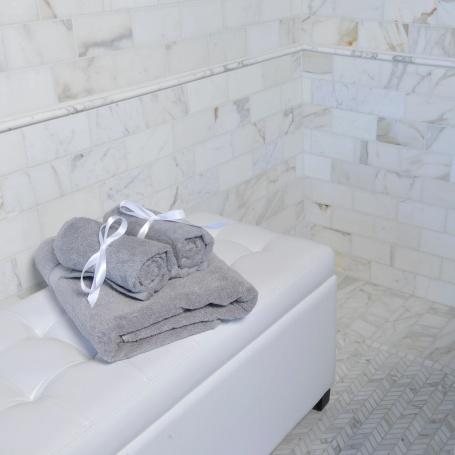
Value-based buying protects your home better than the cheapest option on the shelf. A well-made tile stays strong and attractive for years, giving you better long-term value and fewer problems down the line while leaving a lasting impressiohttps://tangotile.com/shop/tile-collections/calacatta/calacatta-chevron-honed-marble-mosaic-tile-in-white-12-3-16-x-12-7-16/n.
Make the Right Tile Choice with Expert Guidance
Buying tiles becomes easier when you understand the common mistakes and how to avoid them. The right choice depends on usage, safety ratings, durability, layout planning, and long-term care, not appearance or price alone. A good tile selection guide or expert advice saves you from redesigns, repairs, and wasted money before a small decision turns into a costly mistake. The best in the business is Tango Tile. They have a huge selection of tiles to choose from and also offer expert guidance on which tile will work best for your home. Get in touch today for a great deal.
Tile shopping doesn’t have to feel confusing. With proper planning and trusted guidance, you can choose tiles that stay strong, look clean, and match your daily lifestyle while protecting your home’s value.
Why Tango Tile Makes This Process Easier
Tango Tile offers:
- A curated range of premium collections for every room
- Guidance to help you choose tiles based on function, style, and safety
- Support for installation planning
- Strong warranty and after-sales help
If you want your home to feel balanced, beautiful, and practical, you’ll find reliable help at Tango Tile.
FAQ
What are the most common mistakes people make when buying tiles?
The most common mistakes include choosing based on looks alone, ignoring slip resistance, buying the wrong type of tile for the room, poor layout planning, and hiring inexperienced installers.
How do I choose the right tiles for different rooms in my home?
Match the tile to the room’s conditions. Wet areas need slip resistance, kitchens need stain resistance, and outdoor spaces need weatherproof tiles.
How important is slip resistance when selecting floor tiles?
Slip resistance is extremely important, especially in bathrooms, kitchens, and patios. It keeps the space safer and reduces fall risks.
Do cheap tiles cost more in the long run?
Yes. They may crack, stain, or fade faster, leading to replacement costs.
How do I avoid choosing tiles that are hard to maintain?
Choose finishes that clean easily, avoid high-gloss tiles in busy rooms, and pick grout colors that match your lifestyle.