

How to Choose the Right Tile Color for Your Home Interiors
December 30, 2025
The right tile color can transform a room instantly but it becomes difficult picking the right one for your home because of so many options. However, to make your decision easier, you must understand how light, space, furniture, your daily routine, and overall interior design all work together.
It’s not the tile that changes your room, it’s the color, texture, size and durability. There are many options available today, so pick one that goes well with your home. You can choose from warm and soft colors to bolder, glossy and even textured ones depending on the vibe of your overall home.
Knowing how to choose a floor tile color, how to create a flow throughout your home, and what tile grout colors work best with your home layout, type of lighting, and your activity level overall is a lot to think through. But don’t worry, because by the end of this short guide, you will have the confidence to choose the right tile color, whether that is for a kitchen, a bathroom, or the flooring of your living room.
Analyse Your Space – The Size, Light and Layout
Before you start picking out a tile color to go with your home, think about how your home currently looks. Things that will help you to make the best decision for the right color of your tile, are the size of the room, the direction the sunlight is coming from, how tall your ceilings are, and the overall tone of your floors.
A room will feel different and have a different vibe based on how big or small it is. If you are working with a small room, it is best to go with lighter tile shades. This is because a small room with light tiles feels much more open and inviting. For bigger rooms, darker shade tiles are a great option to give the room a more grounded feel. Choosing between large tiles and small tiles also helps maintain the right size proportion.
Natural light also affects your decision. North-facing rooms often get cooler daylight, which can make greys and blues look slightly stronger. South-facing rooms get warm sunlight most of the day, which softens beige, tan, or cream shades. Take note of what time of day your room feels bright or dim, tile color will shift slightly in each moment.
Artificial lighting plays a big role too. Warm white LEDs make tile colors look softer. Cool white LEDs sharpen the tile shade and make whites look cleaner and brighter. If your room has low ceilings, lighter tiles can help lift the space visually. If the ceiling is high, medium to darker shades can keep the room balanced and improve overall aesthetic appeal.
A common mistake homeowners make is choosing tile color without looking at the actual room lighting or layout. It’s always better to think about the space first and the tile color second. This gives you a good starting point before moving to floor tiles color ideas.
Match Tile Color with Wall Paint, Cabinets & Furniture
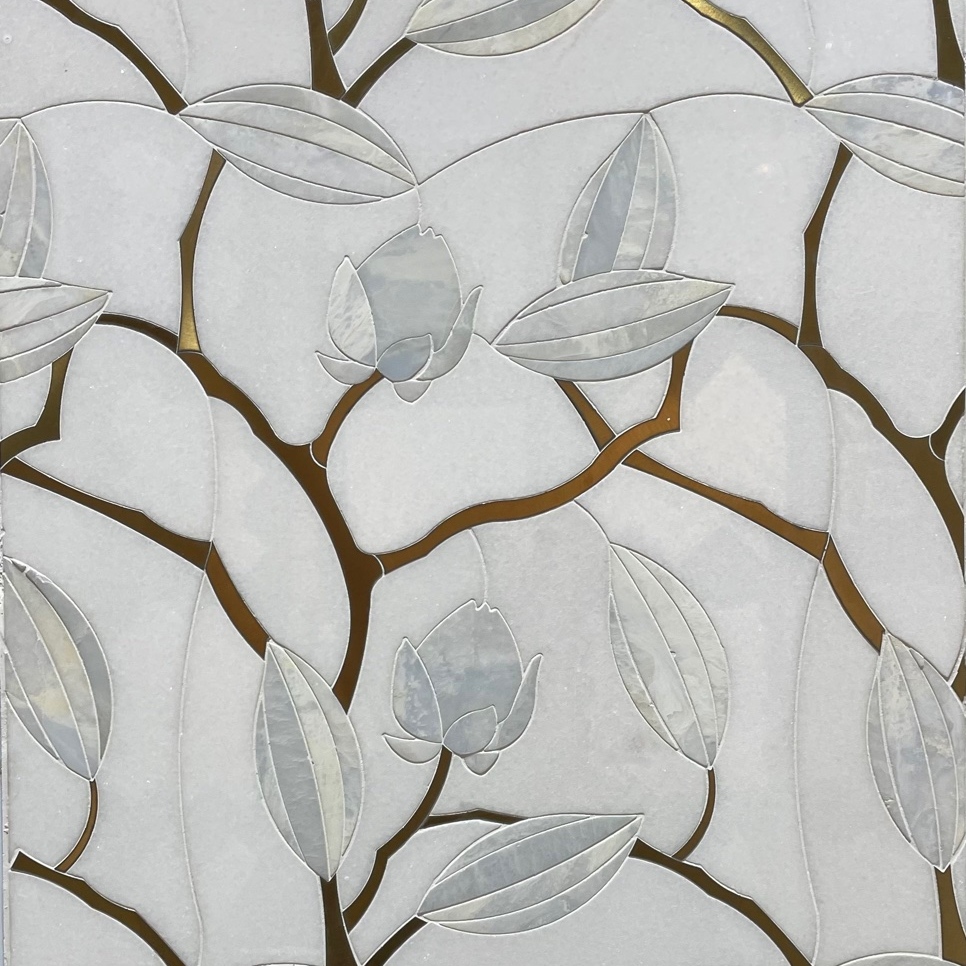
To create a smooth and comfortable look in your home, match your tile color with the other fixed elements in your room, paint color, kitchen cabinets, furniture finishes, and decor tones.
Look at the colors already in your home. Are they warm or cool? Warm tones include beige, tan, cream, walnut, and gold-toned wood. Cool tones include grey, white, blue, charcoal, and silver-toned metal. Matching warm tiles with warm colors and cool tiles with cool colors keeps the room visually balanced.
For example, if your kitchen has warm wooden cabinets, soft beige or light brown tiles blend nicely. If you have white cabinets and grey walls, cool-toned ceramic tiles colors like light grey or soft stone shades work very well and help maintain the right color balance.
Neutral combinations are the safest option if you want a long-lasting look. Light beige floors with white walls, or pale grey tiles with charcoal furniture, always feel calm and easy on the eyes. If you enjoy bold contrasts, pair a darker floor tile with lighter walls, or choose porcelain tiles colors that stand out against your cabinets.
One of the most common mistakes is choosing a tile color that clashes with furniture or paint. By looking at all the elements together, your tile decision becomes easier and more intentional, and feels like the perfect choice for your space.
Light vs Dark Tile Colors: Room-by-Room Selection Guide
Both light and dark tiles have their own strong points, and each choice creates a different feel. Before choosing a tile colour for the floor, think about how each shade changes the room and supports overall interior design.
Light-colored tiles brighten spaces, reflect sunlight, and make a room appear more open. They’re perfect for small bathrooms, narrow hallways, compact kitchens, and rooms with limited windows. Light tiles do show stains slightly more, but regular cleaning keeps them fresh.
Dark-colored tiles bring depth and strength to a room. They hide dirt better and work well in large living rooms, open-plan spaces, and modern homes. However, in a very small room with little light, dark tiles can make the area look visually compact.
You can use these floor tiles color ideas for different rooms as well.
Kitchen- A mix of brightness and practicality works best. Light grey, warm beige, and soft tan tiles hide splashes well while keeping the space bright.
Bathroom- Light tiles always make bathrooms look clean and open. Bathroom tile colors like soft whites, pale grey, and light stone shades are great choices for bathroom tile flooring, especially in smaller spaces.
Living Room- Warm neutral tones like cream, beige, or greige create a comfortable and welcoming atmosphere. Darker tones also work when paired with large tiles in spacious rooms.
Bedroom- Choose calming shades. Soft beige, muted greys, and gentle stone colors create a quiet, relaxing feel.
Hallways and Entryways- Medium or dark tiles perform best because they hide dirt and shoe marks easily, making them ideal for high-traffic areas.
Color also affects mood. Soft tones calm a space, deeper colors add weight and richness, and bright shades bring energy.
Glossy vs Matte Finishes: How Finish Changes Color Impact
Tile finish changes how the color appears. A glossy tile reflects light and makes colors appear stronger and brighter, which also helps small rooms look bigger. Matte tiles tone down color and give a soft, calm surface.
Glossy finishes show fingerprints and water spots more easily. Matte finishes hide them better, which is helpful in high-traffic homes or spaces used every day.
Glossy tiles work well in bathrooms, kitchens, and areas with low light. Matte tiles are great for bedrooms, living rooms, and entryways.
Choose a finish that matches your lifestyle. If you have kids or pets, matte tiles are easier to maintain. If you want a bright and open feel, glossy tiles help intensify the tile color.
Versatile Tile Colors vs Modern Shades

Trends come and go, but some tile colors stay classic for decades. Whites, beiges, soft greys, and earthy tones inspired by natural materials are timeless choices that always blend with different styles. They also add value when selling a home.
Trend-based colors can be fun. Deep greens, navy tiles, patterned designs, and multi-colored tile styles work well in accent walls, backsplashes, and feature corners. The key is to keep trendy colors in smaller areas so you can update them easily.
Tile color also affects long-term resale value. Neutral tiles usually appeal to more buyers and keep your home adaptable.
Test Tile Samples in Real Lighting Before Finalizing
Tile colors look different in showrooms due to strong display lighting. Always bring samples home. Check them in morning light, afternoon sun, evening lamps, and soft LED lighting.
Wall color also changes how tile shade looks. A white wall can brighten the tile, while a dark wall may soften it. Never rely only on digital images; they often alter true color.
Test at least two to three samples in your actual space. Tango Tile makes it easy to request samples so you can see them in real conditions before deciding.
Choosing Tile Colors Based on Lifestyle & Usage
Think about how you use the room every day. Homes with kids and pets benefit from medium or darker shades that hide stains and everyday wear easily. High traffic areas perform better with tiles that have soft, natural tones that wear nicely over time.
If you prefer low-maintenance living, choose tile colors that don’t show stains or dust quickly. Vacation homes usually work best with neutral colors that stay fresh even with less frequent cleaning.
Your lifestyle matters just as much as style. Tile colors should support your daily routine and stay easy to care for.
Choose the Perfect Tile Color with Expert Guidance

Choosing the right tile color becomes simple once you look at your space size, lighting, furniture, tile finish, and lifestyle needs. Every room has its own needs, and the right tile color helps the space feel balanced and complete.
Expert guidance can help you avoid mistakes like choosing a color that doesn’t match your wall tiles or paint color or picking a finish that’s hard to maintain. When you choose tiles with care, you build a home that stays beautiful for years.
Make Your Space Look Its Best with Tango Tile
Tango Tile offers a wide range of modern, classic, and premium tile colors for every room in your home. You can test samples, get color advice, and explore finishes that suit your style and space , and tile flooring needs. Their team supports homeowners and designers throughout the selection process, helping you choose tiles that look great and last long.
If you’re ready to refresh your space, explore Tango Tile’s collection today and find the tile colors that fit your home perfectly. You can also get in touch with us today for personalized guidance.
FAQs
How do I choose the best tile color for my home interior?
Start by checking room size, lighting, and fixed finishes like cabinets or furniture. Bring samples home and view them in morning and evening light.
Do light or dark tile colors make a room look bigger?
Light tiles reflect light and make a room feel more open. Dark tiles add depth but can make small rooms feel tighter.
How do I match tile color with wall paint and furniture?
Match undertones. Usually warm tiles with warm woods, cool tiles with grey or white palettes. Put samples next to your paint and furniture to confirm the fit.
Which tile colors are best for kitchens and bathrooms?
In kitchens, pick medium tones that hide stains and wear. In bathrooms, choose light, clean shades for a fresh look.
Should I test tile samples at home before finalizing the color?
Yes, always test two or three samples in your actual room and under different lights before you decide.