
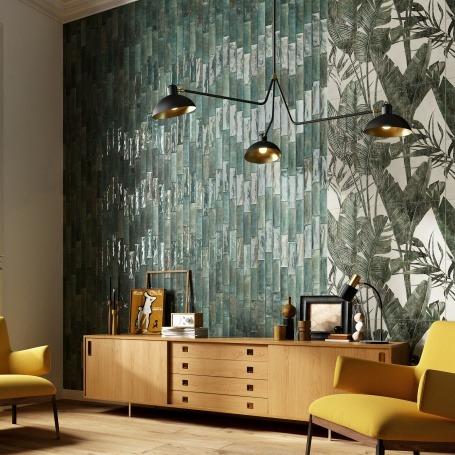
How the Right Tile Style Can Completely Transform Your Home?
January 21, 2026
A few elements have the same impact as your tile style when designing or updating your home. The right tile not only covers a surface, but it also shapes the room’s overall mood. From scale and pattern to color and texture, tile influences the feeling of your space the moment you step inside.
Being a DIY enthusiast or a modern homeowner, you are no longer selecting tiles solely based on durability. Today’s high-style tile options merge performance with expressive design, helping you create a cohesive look across contemporary spaces without compromising functionality. So, tile plays an important role in defining your home’s personality.
Here, Tango Tile stands out. The platform curates design-forward and expressive collections. This wide selection of unique tile styles helps turn design inspiration into beautifully finished interiors.
Curious to know more? This blog will shed light on the types of tiles for home, exploring popular tile styles, materials, and tile patterns that work best in different areas of your home, so you can select confidently with creativity.
Porcelain Tiles

Porcelain tiles are durable, stylish, and built for modern living. These are a foundation of contemporary interiors, providing an ideal balance of performance and visual appeal.
Therefore, if you are searching for a surface that can handle daily life without compromising design, porcelain tile styles are a smart choice for modern homes and high-traffic areas.
What Makes Porcelain Tiles Unique?
Porcelain tiles are made from highly refined clay and fired at very high temperatures, giving you a dense, durable, and water-resistant surface. This is why the tiles are exceptionally suitable for busy homes and moisture-prone spaces like kitchens and bathrooms.
Credits go to the latest production techniques that make these available in realistic concrete, stone, wood-look tile finishes, and marble designs. These amazingly replicate the look of natural stone and wood without demanding maintenance, unlike other tiles that usually need.
Why Porcelain Is Ideal for Modern Homes?
Porcelain fits seamlessly into today’s lifestyles. The tile’s material is scratch-resistant, low-maintenance, and easy to clean, making it ideal for busy households and everyday living.
Furthermore, porcelain’s design flexibility lets you complement industrial, minimalist, and contemporary aesthetics while maintaining a clean, timeless look.
Feel free to design a warm modern farmhouse or a sleek urban loft, as the material is ready to adapt to your vision.
Porcelain Tiles’ Best Applications
Porcelain tiles work best in high-traffic and moisture-prone areas, especially where durability and easy upkeep matter most:
- Kitchen floors
- Bathroom floors
- Mudrooms
- Laundry rooms
Quick Design Tip: You can pick matte finishes for understated modern minimalism o r polished finishes when you want a more lavish, light-reflective appearance that elevates the overall space.
Ceramic Tiles
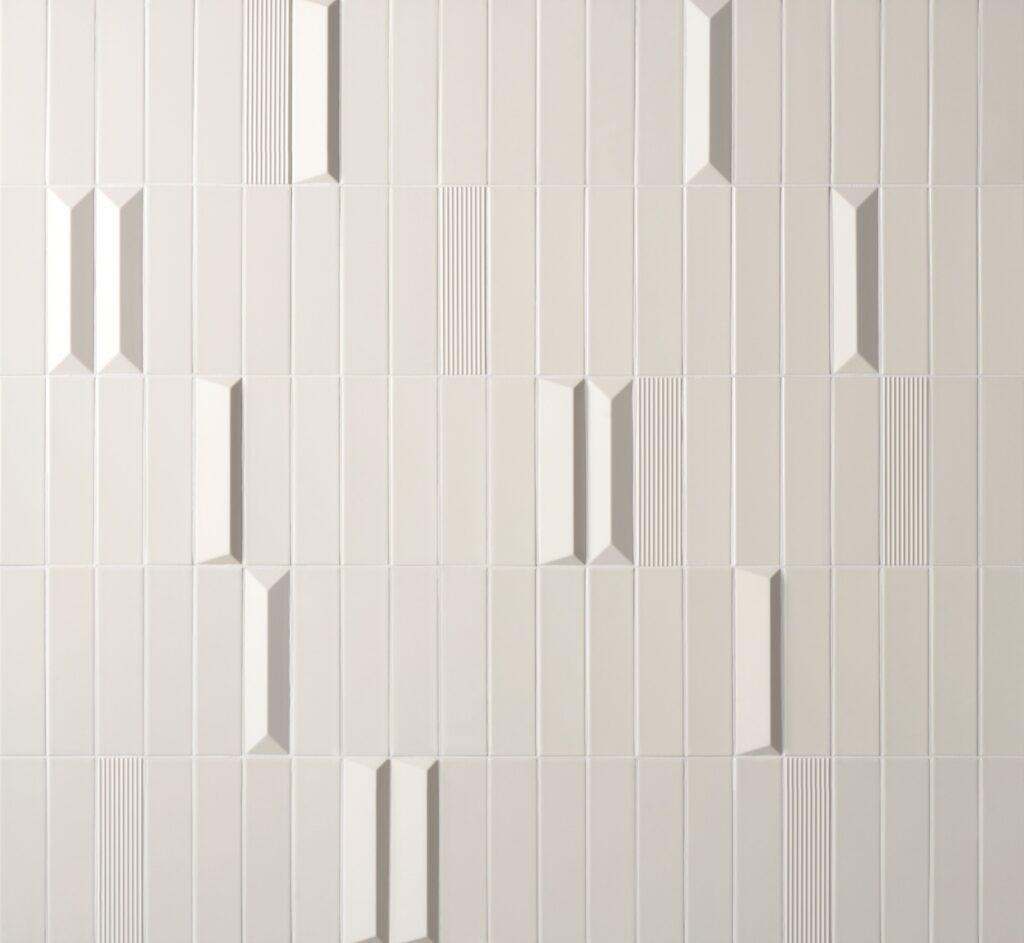
These tiles are versatile, colorful, and perfect for creative feature walls. Ceramic tile styles offer unmatched visual freedom and flexibility. The tile takes centre stage to decorate spaces where texture and color matter the most. Therefore, if you have been looking to add character without going overboard, ceramic tiles are the go-to tiles for achieving a balanced and inspiring space. Use them to maintain a balance between practicality and expression.
Ceramic Tiles’ Unique Qualities
People prefer using ceramic tiles due to their lightweight and easy installation, making them an excellent option for DIY projects and smaller tile layouts.
Apart from this, the tile’s greatest strength rests in variety. You will find an endless range of ceramic tile designs. This includes bold gazes, handmade textures, rich colors, and distinctive shapes such as hexagon tile, allowing you to confidently tailor your comfort zone.
Design Strengths of Ceramic Tiles
Ceramic tiles outshine in areas where design impact is crucial. The tile is ideal for artistic walls and backsplashes and artistic walls. Using this tile instantly makes your room charming and visually interesting.
Even if you are experimenting with tile design, ceramic offers the freedom to mix colors, patterns, and finishes to create a unique look.
Where To Put Ceramic Tiles?
Ceramic tiles work beautifully in:
- Kitchen backsplashes
- Bathroom walls
- Shower surrounds
- Accent walls
Design Suggestion: Use glossy ceramic tiles to reflect light. These tiles also make small or dimly lit spaces feel more open and brighter.
Cement Tiles

Cement tiles offer bold patterns and artisanal character for statement interiors. Moreover, if expressive and full of personality interiors attract you, these tiles deliver an unbeatable visual impact. They are popular for their handcrafted aesthetic, warmth, and authenticity, bringing depth to spaces that are meant to stand out rather than blend in.
How Do Cement Tiles Differ?
Cement tiles are prized for their rich pigments, soft matte finish, and artisanal texture. Each tile features subtle variations that sprinkle an organic, lived-in feeling.. The natural inconsistency is part of their uniqueness, making them perfect for homeowners who value craftsmanship, character, and a historic sense in their interiors.
Cement Tiles’ Design Value
When used for pattern tile design, cement tiles truly stand out. Their bold motifs and intricate patterns create floors and walls that feel full of energy, artistic, and dynamic.
The cement tiles work beautifully in bohemian, eclectic, modern, and Mediterranean interiors, where layered textures steal the limelight.
Best Applications for Cement Tiles
Cement tiles are more effective in:
- Entryways
- Powder rooms
- Kitchen floors
- Statement walls
Tip: Keep your surrounding surfaces neutral and understated. This lets the bold patterns remain the focal point without overwhelming the space.
Glass Tiles

Glass tiles reflect light. These are modern and perfect for bright accents. Furthermore, the style boosts light, depth, and visual movement, adding a sleek feel to your interiors. If you use them intentionally, they can enhance the simplest spaces. As a result, you get a refined touch that feels luxurious and fresh at the same time.
What Are Key Features of Glass Tiles?
Glass tiles are famous for their reflective, glossy finish that can naturally brighten your room. Their transparency allows light to pass through and bounce around the space, creating a finish that feels airy and clean.
This reflective nature makes glass tiles appealing in areas where you want maximum light and openness.
Design Strengths
One of the glass tiles’ greatest strengths is its ability to make small or enclosed spaces feel bigger. Individuals with spa-inspired bathrooms and statement kitchens often install glass tiles for a luxurious appearance.
You can also incorporate it into mosaic tile ideas, because glass tiles introduce movement, texture, and visual interest while maintaining a modern aesthetic.
Glass Tiles Are Best In
The tiles are best in:
- Showers
- Niche areas
- Kitchen backsplashes
- Decorative accents
Advice: Strategically use mosaic glass tiles to create a visual rhythm and light play. Doing so completes the space without competing with other design elements.
Marble Tiles
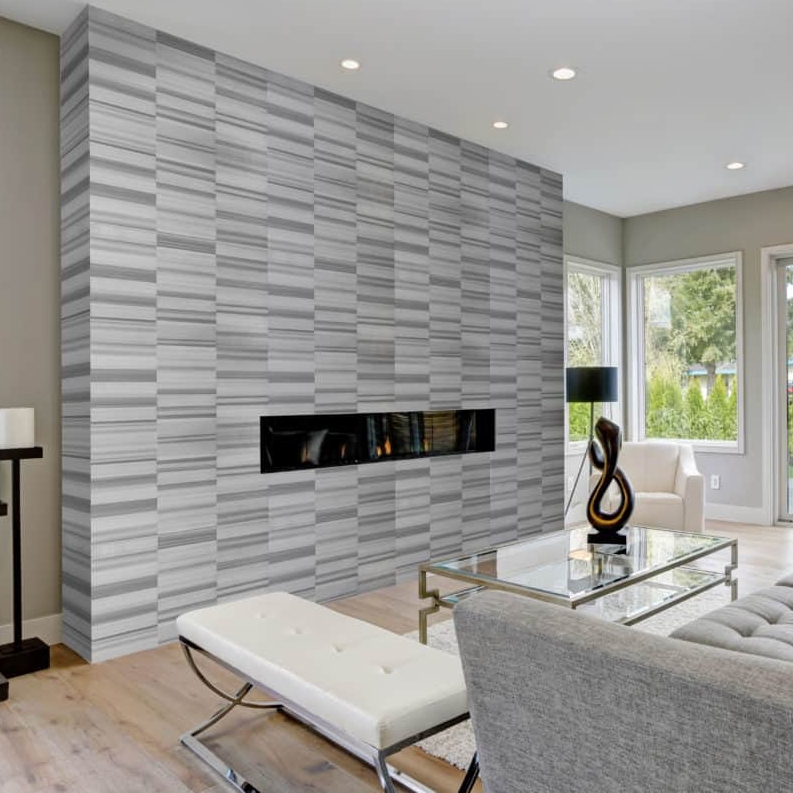
Marble tiles provide timeless luxury with natural veining. Few materials match their sophistication and elegance. Use marble tile designs if you want your space to feel calming, refined, and lasting. These bring natural beauty into your home while maintaining a timeless aesthetic that never goes out of style.
Reasons Marble Tiles Are Considered Premium
Every marble tile features one-of-a-kind natural veining. You will never find two surfaces exactly alike. This organic variation plays a vital role in making the material a preferred choice for homeowners and interior designers.
Plus, its craftsmanship and architectural beauty compel people to use the marble tile in both classic and contemporary interiors, especially in spaces where elegance matters most.
Design Features
Marble tile is an instant modern, transitional, and traditional space enhancer. The material is ideal for creating peaceful, hotel-inspired environments that feel both sophisticated and calming.
Therefore, you will usually see these tiles in statement tile walls and feature surfaces that deserve special attention.
Use Marble Tiles In
Marble tiles work beautifully in:
- Master bathrooms
- Fireplace surrounds
- Feature floors
- Statement walls
What Can Be Done? Pair marble tiles with soft, neutral color palettes to highlight the natural veining. This allows the stone to remain the focal point without overwhelming the space.
Mosaic Tiles
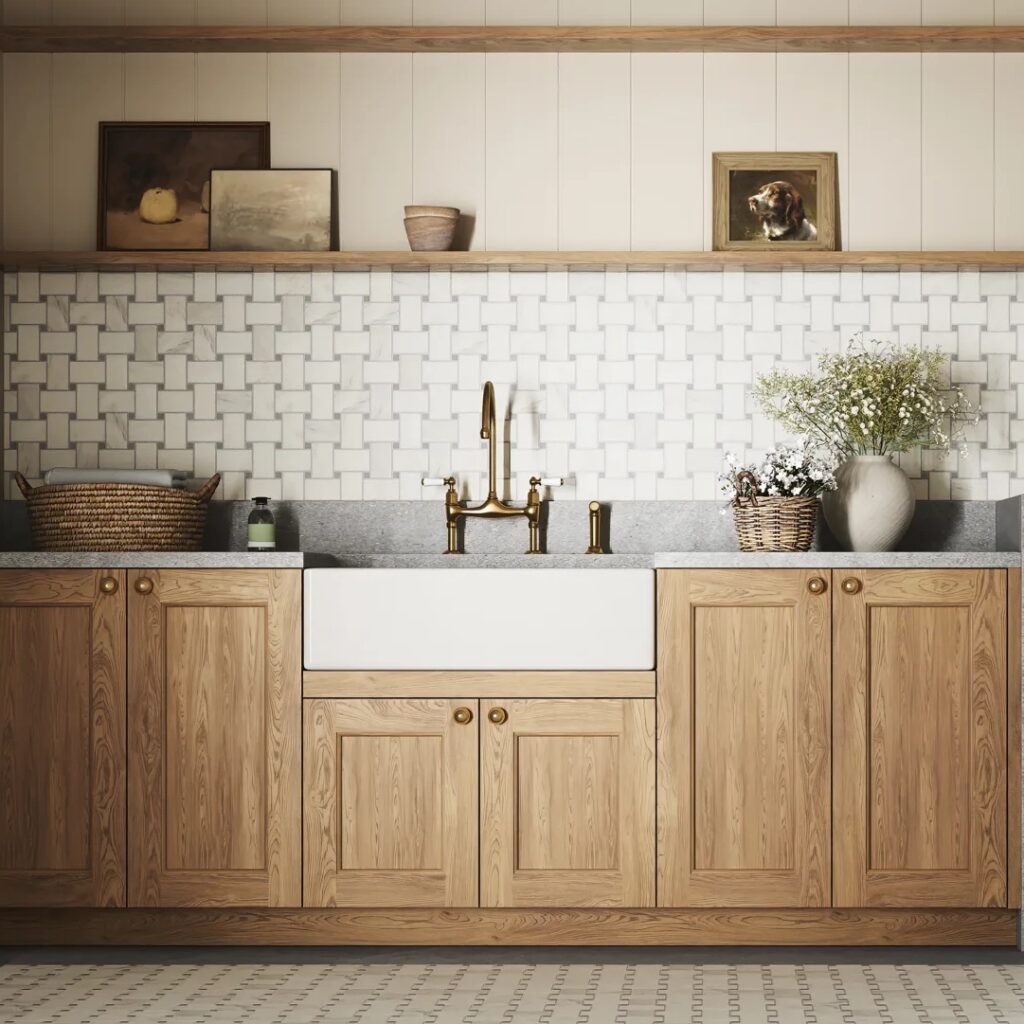
Mosaic tiles have artistic patterns on distinctive accent pieces. Using them gives you the freedom to think small while designing with a bigger visual impact. The tile style concentrates on texture, detail, and creativity, making them ideal when you want to add character without overwhelming your overall space.
Uniqueness of Mosaic Tiles
These tiles are made up of small pieces arranged into intricate gradients, patterns, or geometric layouts.
Mosaic tiles are available in glass, stone, ceramic, or mixed materials, offering outstanding versatility for expressive tile design. Its modular nature opens the ground for unlimited customization, therefore each installation feels truly unique.
What Are Mosaic Tiles’ Design Strengths?
Mosaic tiles introduce movement, rhythm, and a prominent sense of craftsmanship. They are best for creating focal points, soft transitions between materials, or decorative moments. Using them boosts your room’s entire appearance while adding visual depth.
Where To Use Mosaic Tiles?
You can use mosaic tiles in:
- Shower floors
- Kitchen backsplashes
- Niche details
- Border designs
Designing Tip: Try using mosaic tiles to highlight architectural features or to drawg attention to particular zones within your room. It will give a polished, intentional finish.
Large-Format Tiles

These tiles are seamless, minimalist, and ideal for modern open spaces. Therefore, invest in them, especially if your design aim is flow and simplicity.
How Are Large-Format Tiles Different?
This tile style has fewer grout lines, creating a clean and continuous surface. Using them makes your rooms feel more open, refined, and visually uncluttered.
Large-Format Tiles’ Design Strengths
Large-format ones are modern tile styles that suit minimalist and contemporary homes. The tile type modifies open floor plans and helps smaller spaces feel larger.
Best In
- Living rooms
- Open floor plans
- Bathroom walls
- Feature walls
Recommendation: You can use neutral large-format tiles to achieve a gallery-like feeling. This allows your decor and furniture to shine.
Conclusion
From elegant marble to bold cement patterns, choosing the right tile style defines your space’s overall tone and personality.
Understand the strengths of different types of tiles for home. This helps you design cohesive and functional interiors. Whether you envision subtle minimalism, artistic expression, or lasting luxury, the right tile makes all the difference.
Therefore, approach Tango Tile. They have curated tile collections that balance beauty and durability, adding life to your spaces and helping you create an inspiring space that reflects your style.
Explore our full tile collection: https://tangotile.com/
FAQ
What are the most popular tile styles for modern homes?
These include modern tile styles, minimalist stone looks, large-format porcelain, and textured ceramic wall tile finishes. All offer balanced simplicity and visual interest.
Which tile material is best for high-traffic areas like kitchens and hallways?
Porcelain tile styles are an excellent choice. The tile is best for such areas due to its durability and water-resistant qualities, making it ideal for kitchen floors and hallways.
What is the difference between porcelain, ceramic, and cement tiles?
Porcelain ones are denser and more water-resistant. Ceramic tiles concentrate on decorations, wall applications, and design flexibility.
Can I mix different tile styles in the same room or throughout my home?
Certainly. Mixing mosaics, ceramic tile designs, and stone adds depth, especially when done with a cohesive color theme.
Which tile styles make small spaces look bigger and more open?
Buy glass mosaics, large-format tiles, and light-colored ceramic tile styles. These help reflect light, decreasing visual clutter, and making small spaces feel bigger.