
What Is Easier to Maintain in a Bathroom: Porcelain, Ceramic, Stone, or Cement Tile?
For most bathrooms, porcelain tile is one of the easiest materials to maintain because it has low water absorption, handles frequent cleaning well, and generally does not require the same sealing routine as many natural stone or cement tiles.
Glazed ceramic can also be relatively easy to care for, especially on bathroom walls. Natural stone and cement tile can create beautiful, character-rich surfaces, but they usually require more attention to sealing, cleaning products, and ongoing care.
The easiest bathroom tile for you depends on where it will be installed, the finish you choose, and how much maintenance you are comfortable taking on.
Quick Answer: Which Bathroom Tile Is Easiest to Maintain?
For most homeowners, porcelain is the strongest low-maintenance choice, followed closely by glazed ceramic. Natural stone and cement tile generally require more ongoing care.
When comparing bathroom materials:
- Porcelain has very low water absorption
- Glazed ceramic is generally straightforward to clean
- Smooth finishes are usually easier to wipe down than heavy textures
- Natural stone may require periodic sealing
- Cement tile is porous and typically needs sealing
- Grout adds maintenance regardless of tile material
- Shower and floor applications may have different requirements
- Always follow the care instructions for the specific tile
Material matters, but finish, grout, and installation location also have a major impact on bathroom maintenance.
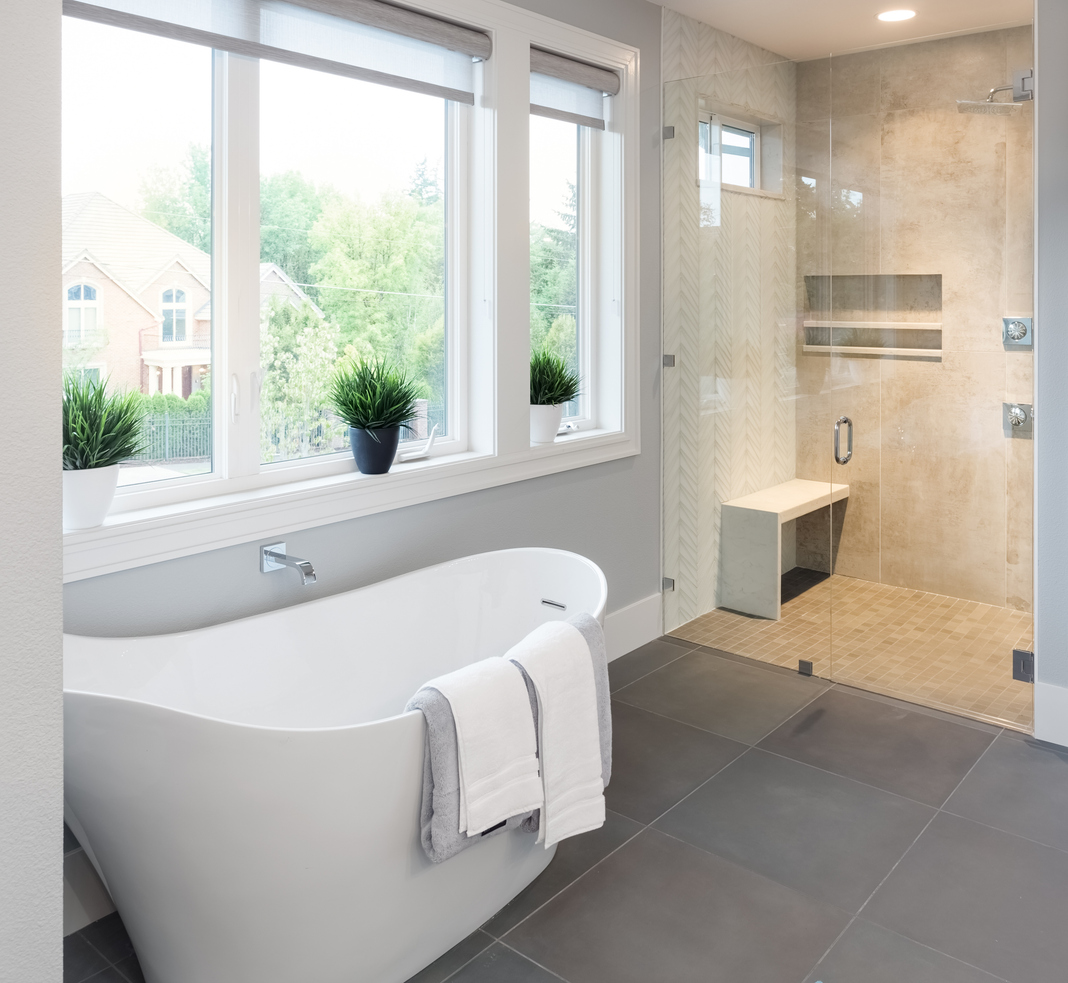
Comparing Bathroom Tile Maintenance
Each material brings a different balance of appearance, moisture resistance, and long-term care.
Porcelain Tile
Porcelain is usually the easiest all-around option for homeowners who want bathroom tile with relatively simple upkeep.
Best for:
- Bathroom floors
- Shower walls
- Busy family bathrooms
- Lower-maintenance designs
What to know:
- Very low water absorption
- Usually does not require routine sealing
- Available in smooth, matte, and textured finishes
- Generally easy to clean with appropriate everyday products
Ceramic Tile
Glazed ceramic can also be a practical, easy-to-clean choice in many bathroom applications.
Best for:
- Bathroom walls
- Shower walls when approved
- Backsplashes
- Floor applications when specifically floor-rated
What to know:
- Glazed surfaces resist moisture and staining well
- Usually straightforward to wipe clean
- Care requirements depend on the glaze and finish
- Not every ceramic tile is suitable for bathroom floors
Natural Stone Tile
Natural stone offers distinctive color and variation but usually requires more maintenance than porcelain or glazed ceramic.
Best for:
- Natural design palettes
- Feature walls
- Bathrooms where material character is a priority
- Homeowners comfortable with additional care
What to know:
- Maintenance varies by stone type
- Many stones require sealing
- Some cleaning products can damage sensitive stone
- Natural variation and aging are part of the material’s character
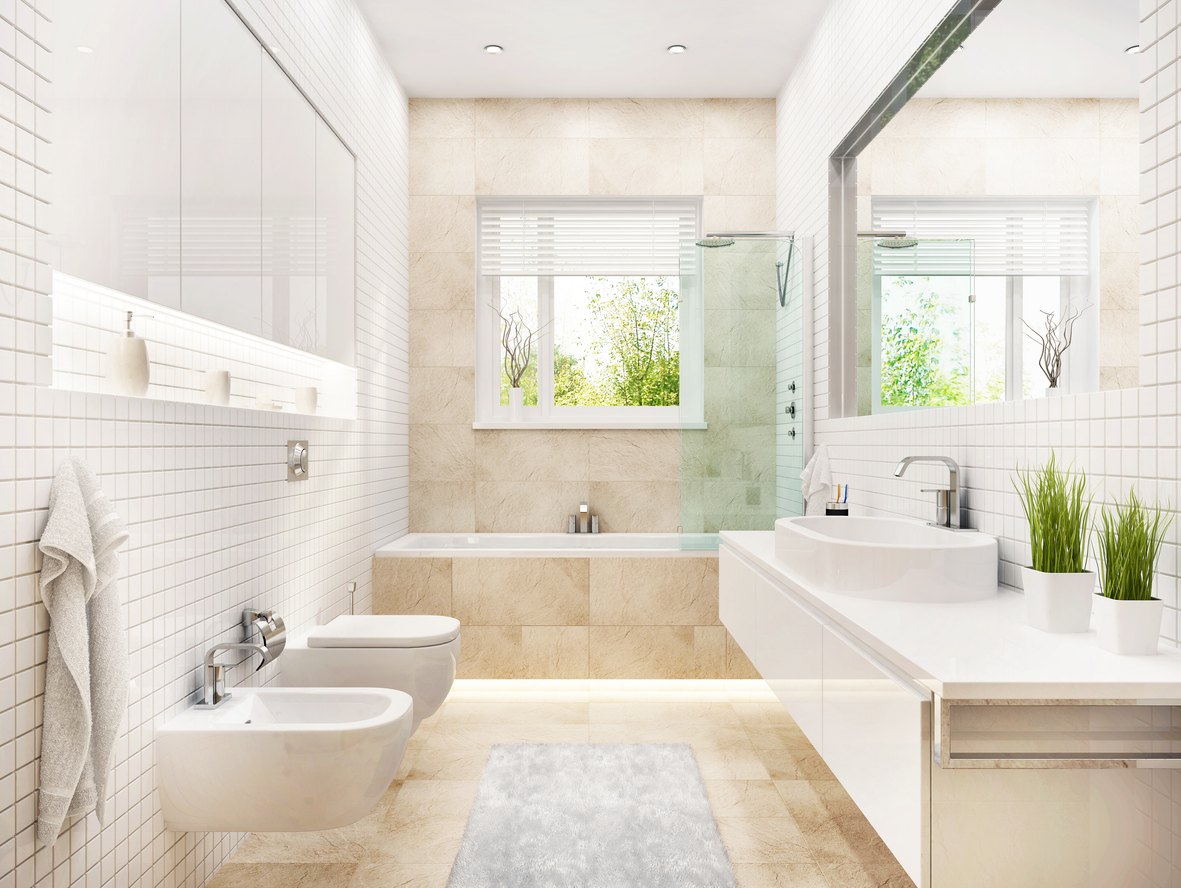
What About Cement Tile in a Bathroom?
Cement tile can bring rich color and pattern into a bathroom, but it is generally a higher-maintenance choice.
Best for:
- Decorative bathroom floors
- Feature areas
- Pattern-focused designs
- Spaces where the appearance justifies additional care
What to know:
Cement tile is porous and commonly requires sealing to help protect the surface from moisture and staining. Cleaning also needs to be approached more carefully than with many porcelain or glazed ceramic surfaces.
If easy bathroom tile maintenance is the main priority, porcelain will usually be the more practical option. If pattern and character matter more, the additional care required by cement may be worthwhile.
How to Choose a Low-Maintenance Bathroom Tile
Material is only one part of creating a bathroom that is easy to care for.
Consider Where the Tile Will Be Used
Maintenance requirements change depending on whether the tile is going on:
- Bathroom floors
- Shower walls
- Shower floors
- Vanity walls
- Tub surrounds
Wet areas generally require closer attention to moisture resistance and product suitability.
Compare Surface Finishes
A heavily textured surface can take more effort to clean than a smoother one.
Consider:
- Smooth glazed finishes
- Matte finishes
- Textured surfaces
- Natural or honed finishes
Balance cleaning preferences with traction requirements, especially on floors.
Check Sealing Requirements
Before ordering, find out whether the tile needs:
- Sealing after installation
- Periodic resealing
- Special cleaners
- Additional stain protection
This can make a significant difference in long-term maintenance.
Think About Grout
Even an easy-to-clean tile can require more maintenance if the installation includes many grout joints.
Consider:
- Tile size
- Grout width
- Grout color
- The number of joints
- Cleaning requirements
Larger tile can reduce the overall amount of grout on some bathroom surfaces.
Order Samples Before Choosing
Samples help you evaluate more than color.
Use them to compare:
- Surface texture
- Finish
- Variation
- How easily the surface wipes clean
- How the tile looks under bathroom lighting
Seeing and touching the material can make maintenance differences easier to understand.
Common Mistakes to Avoid
Maintenance should be considered before the tile is installed, not after.
- Choosing bathroom tile based only on appearance
- Assuming every porcelain or ceramic tile has identical care requirements
- Selecting natural stone without checking sealing needs
- Choosing cement tile without planning for maintenance
- Ignoring how surface texture affects cleaning
- Forgetting about grout maintenance
- Using cleaning products that are not appropriate for the material
- Skipping the manufacturer’s care instructions
Tips to Get the Best Results
- Choose porcelain when low maintenance is the main priority
- Consider glazed ceramic for easy-to-clean wall surfaces
- Review sealing requirements before choosing stone or cement
- Avoid unnecessary texture when easy cleaning matters most
- Consider grout quantity along with tile size
- Order samples and compare finishes in person
- Check wet-area and floor suitability before ordering
- Follow the specific care instructions for your tile
Choosing the right combination of material, finish, and grout can make a bathroom much easier to maintain over time.
Frequently Asked Questions
Is porcelain easier to maintain than ceramic tile?
Both can be relatively easy to maintain. Porcelain has very low water absorption and is especially practical for bathroom floors and wet areas, while glazed ceramic can be an easy-care choice for many wall applications.
What is the easiest bathroom tile to clean?
Smooth porcelain and glazed ceramic surfaces are generally among the easiest bathroom tiles to clean. Highly textured surfaces and materials requiring sealing typically involve more maintenance.
Does natural stone tile need to be sealed?
Many natural stone products require sealing, but requirements vary by stone and finish. Always review the care instructions for the specific product.
Does cement tile require more maintenance?
Generally, yes. Cement tile is porous and commonly requires sealing and more careful cleaning than porcelain or glazed ceramic.
Does tile size affect bathroom maintenance?
Yes. Larger tiles can create fewer grout joints, which may reduce the amount of grout that needs regular cleaning. The best size still depends on the surface and bathroom layout.