
What Size Tile Works Best in a Small Kitchen vs a Large Kitchen?
Kitchen tile size can change how open, detailed, or balanced a space feels. While smaller kitchens are sometimes associated with smaller tile, large-format tile can actually make a compact floor feel more continuous because there are fewer grout lines.
Larger kitchens can comfortably accommodate bigger formats, but medium and smaller tiles can also work when you want more pattern, texture, or definition. The best size depends on the room’s dimensions, layout, and where the tile will be installed.
When shopping online, samples can help you judge scale before choosing a full kitchen floor or backsplash.
Quick Answer: What Tile Size Works Best in Small and Large Kitchens?
There is no single correct kitchen tile size. Small kitchens can work well with medium or large-format tile, while large kitchens can handle larger formats or more detailed patterns without feeling overwhelmed.
When comparing kitchen tile size:
- Larger tiles can reduce visible grout lines
- Medium formats work well in kitchens of many sizes
- Smaller tiles can add pattern and detail
- Large-format tile can make a compact floor feel more continuous
- Room dimensions affect how many cuts will be required
- Backsplash scale may differ from floor tile scale
- Grout color can make tile divisions more or less noticeable
- Samples help you judge size, color, and finish in the actual space
Rather than choosing tile size from square footage alone, consider how the format works with the proportions and layout of the kitchen.
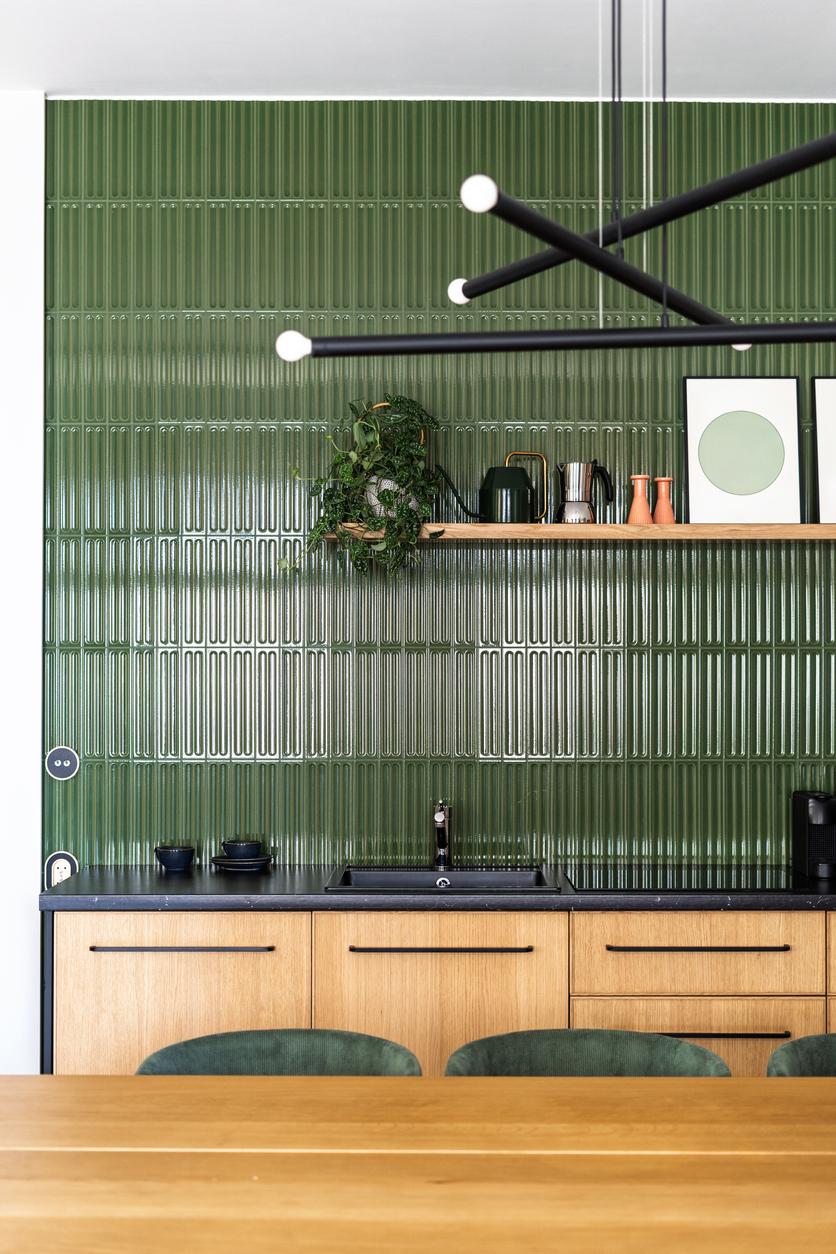
Kitchen Tile Sizes to Consider
Different tile formats create different visual effects. Each can work in both small and large kitchens when the layout is planned carefully.
Large-Format Tile
Larger tile creates broad surfaces with fewer visible grout joints.
Best for:
- Small kitchens where you want a more continuous floor
- Large open kitchens
- Clean, modern designs
- Simple layouts
What to know:
- Fewer grout lines can make a floor feel less visually busy
- Larger kitchens can showcase the full scale of the tile
- Small kitchens may require more cuts around cabinets and corners
- Layout should be planned before ordering
Medium-Format Tile
Medium tile offers a flexible balance between scale and detail.
Best for:
- Small and medium kitchens
- Traditional or transitional spaces
- Floors with several cabinets or architectural breaks
- Designs where you want visible but restrained grout lines
What to know:
- Fits comfortably into many kitchen dimensions
- Can require fewer awkward cuts than oversized formats
- Works with many different layouts
- Grout color can make the pattern more or less noticeable
Small & Mosaic Tile
Smaller tile introduces more grout lines, pattern, and visual detail.
Best for:
- Kitchen backsplashes
- Decorative accents
- Smaller feature areas
- Kitchens where pattern is part of the design
What to know:
- Creates a more detailed appearance
- More grout means additional cleaning and maintenance
- Can add character to a simple kitchen
- Very small patterns can feel busy across large surfaces
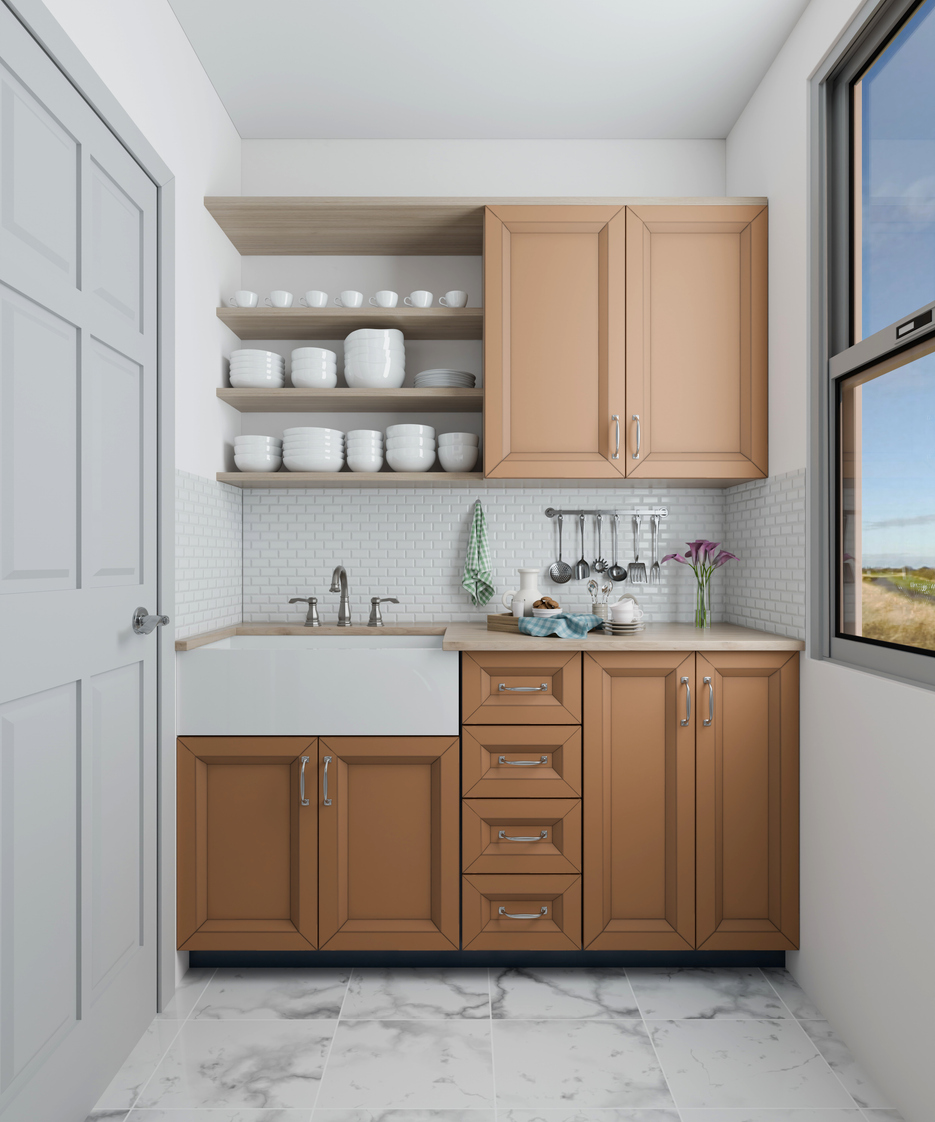
Floor Tile Size vs Backsplash Tile Size
The right scale for a kitchen floor does not have to match the backsplash.
Best for:
- Mixing large floor tile with smaller backsplash tile
- Creating contrast between surfaces
- Keeping large kitchens from feeling visually flat
- Adding detail to compact kitchens without overwhelming the floor
What to know:
A large-format floor paired with a smaller mosaic or decorative backsplash can create a useful balance between simplicity and detail. You can also use a simpler backsplash when the floor already has a strong pattern.
Think of each tiled surface as part of the same room, rather than trying to make every tile the same size.
How to Choose the Right Kitchen Tile Size
A few practical checks can help you determine which scale works best for your kitchen.
Measure the Usable Surface
Look beyond the total square footage.
Consider:
- Cabinets
- Islands
- Doorways
- Corners
- Appliances
A large kitchen may still have several narrow areas where oversized tile requires additional cuts.
Decide How Open You Want the Space to Feel
If you want a calmer, more continuous appearance, larger formats with fewer grout lines can work well.
If you want more pattern and detail, medium or smaller formats may be a better fit.
Think About Pattern and Layout
Tile size works together with layout.
Consider:
- Straight layouts
- Offset patterns
- Geometric designs
- Mosaic patterns
- Tile direction
The same tile can feel very different depending on how it is arranged.
Compare Samples in the Kitchen
Use samples to judge scale alongside the other finishes in the room.
Place them near:
- Cabinets
- Countertops
- Flooring
- Appliances
- Backsplash areas
Look at them from both close up and across the room.
Plan Grout, Cuts, and Quantity
Tile dimensions affect installation as much as appearance.
Before ordering, consider:
- Grout width
- Perimeter cuts
- Islands and cabinets
- Pattern alignment
- Extra material for cuts and breakage
A well-planned layout is more important than simply choosing the largest or smallest tile available.
Common Mistakes to Avoid
Kitchen size alone should not determine tile size.
- Assuming small kitchens always need small tile
- Choosing oversized tile without planning cuts
- Using too many small tiles and creating excessive visual detail
- Ignoring the number of grout lines
- Choosing floor and backsplash tile separately without comparing them
- Judging tile scale only from online product images
- Forgetting how islands and cabinets affect the layout
- Ordering without allowing extra material for cuts
Tips to Get the Best Results
- Measure the actual tiled area before choosing a format
- Consider larger tile when you want fewer grout lines
- Use medium formats when flexibility is important
- Introduce smaller tile where you want more detail
- Compare floor and backsplash scale together
- Order samples before making a larger purchase
- Plan grout and layout before installation
- Calculate extra tile for cuts and future repairs
The best kitchen tile size is the one that works naturally with the proportions, layout, and overall design of the room.
Frequently Asked Questions
Does large tile make a small kitchen look bigger?
It can. Larger tiles create fewer grout lines, which may give a small kitchen floor a more continuous and less visually divided appearance.
Should you use small tile in a small kitchen?
You can, but it is not required. Small tile works especially well for backsplashes and decorative areas, while medium or larger tile can also work beautifully on compact kitchen floors.
What tile size works best in a large kitchen?
Large kitchens can accommodate large-format tile particularly well, but medium and smaller formats can also work when the design calls for more pattern or detail.
Should kitchen floor and backsplash tile be the same size?
No. Mixing different scales can create balance. A larger floor tile can pair well with a smaller mosaic, subway-style, or decorative backsplash tile.
Should I order kitchen tile samples before choosing a size?
Yes. Samples help you judge the actual scale, color, texture, and finish against your cabinets, countertops, and kitchen dimensions before placing a larger order.